Snoop Dogg to Host VMAs as Show Returns to West Coast
Photo gallery
8 images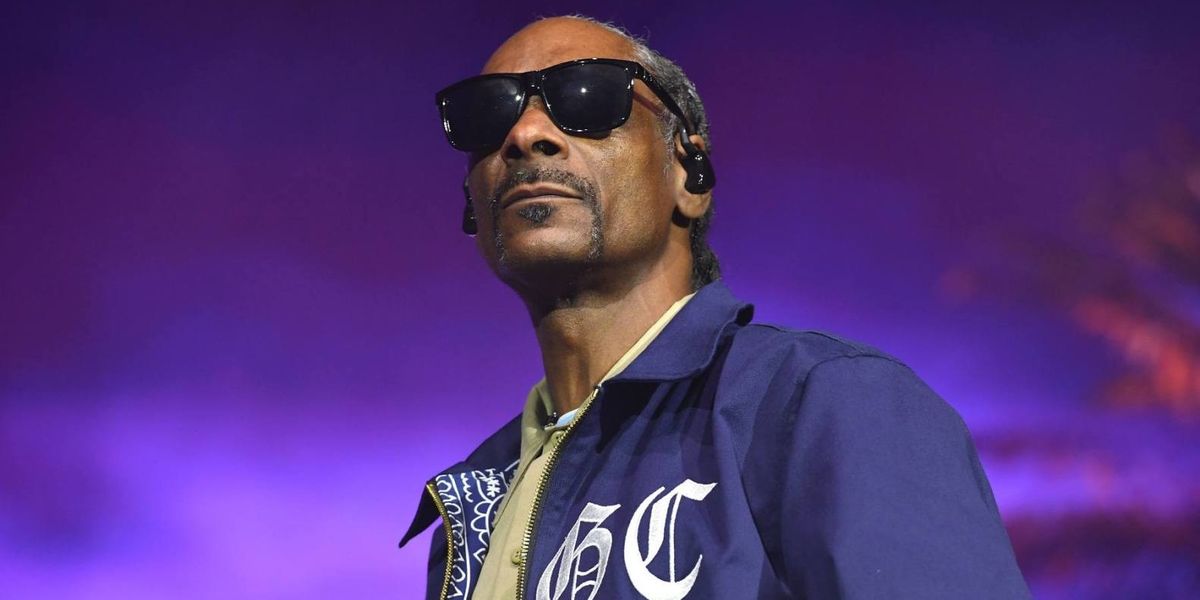


"Some of the biggest moments of my career happened on that stage and on MTV," said the rap mogul
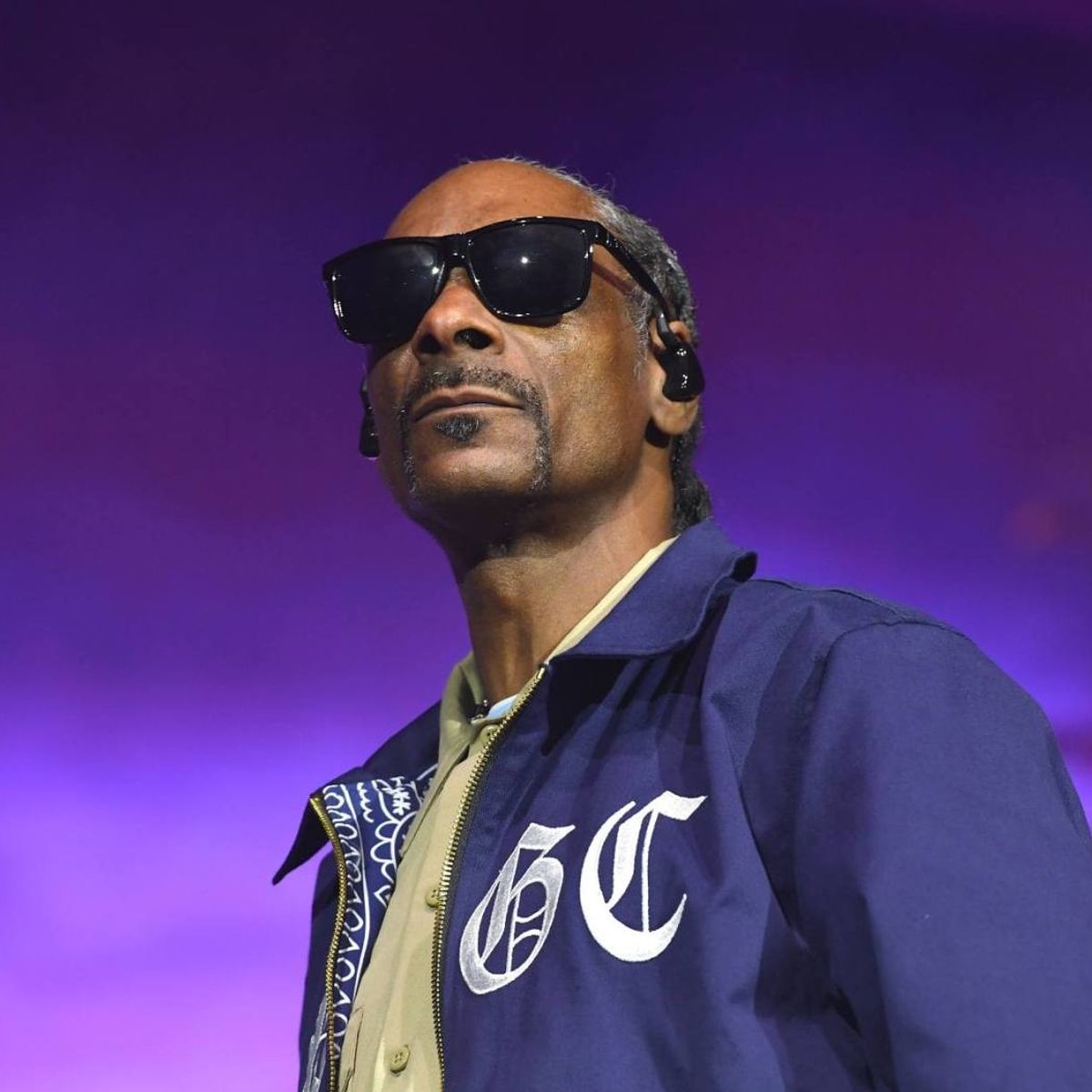
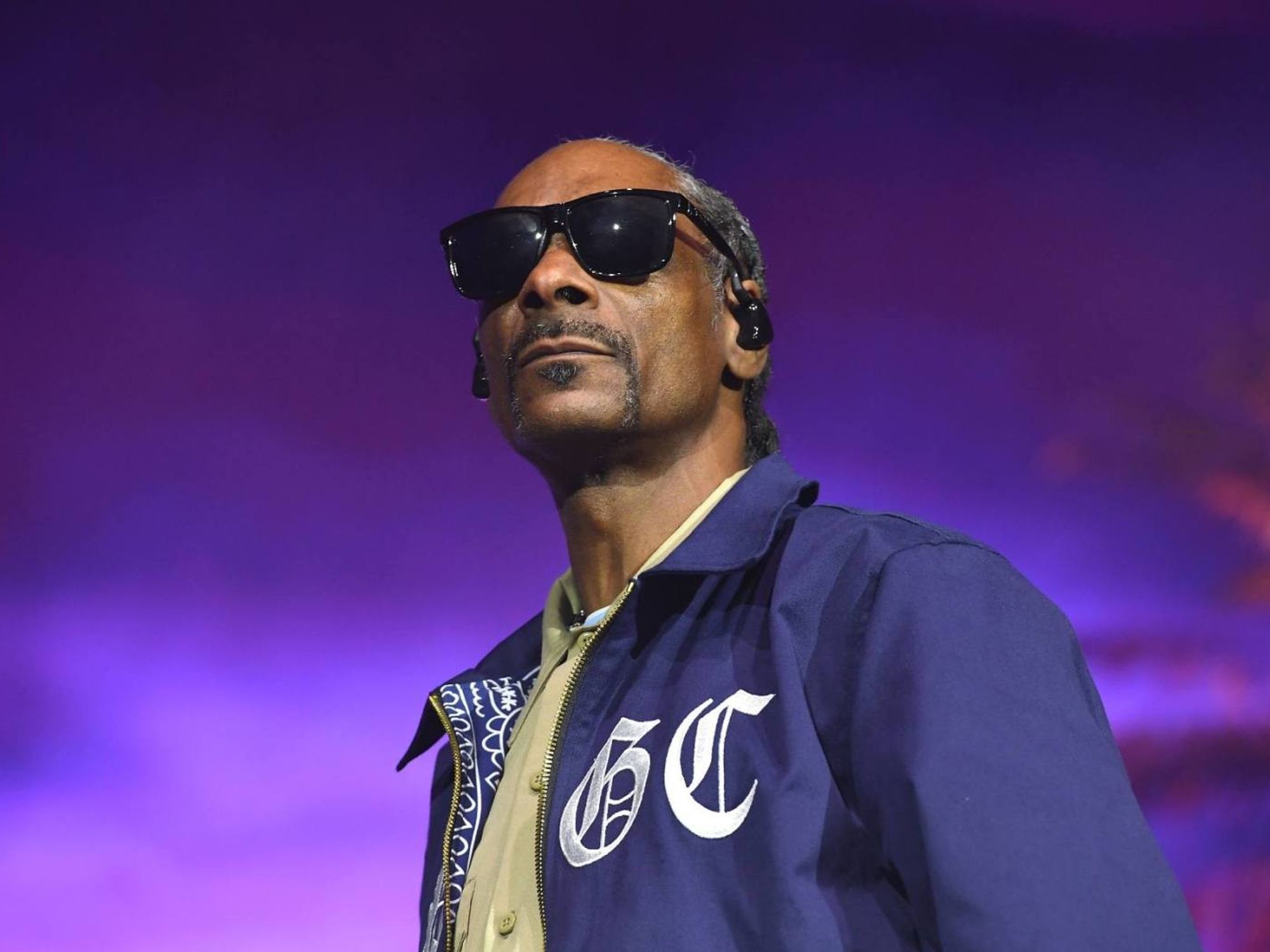
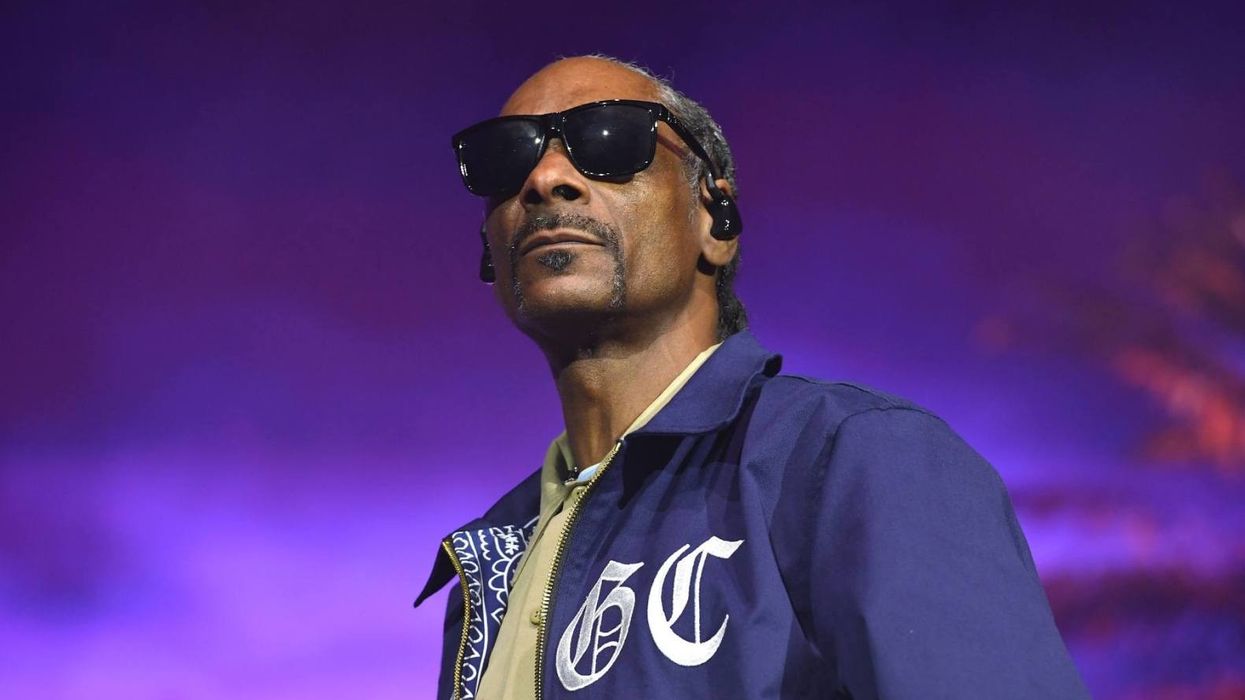
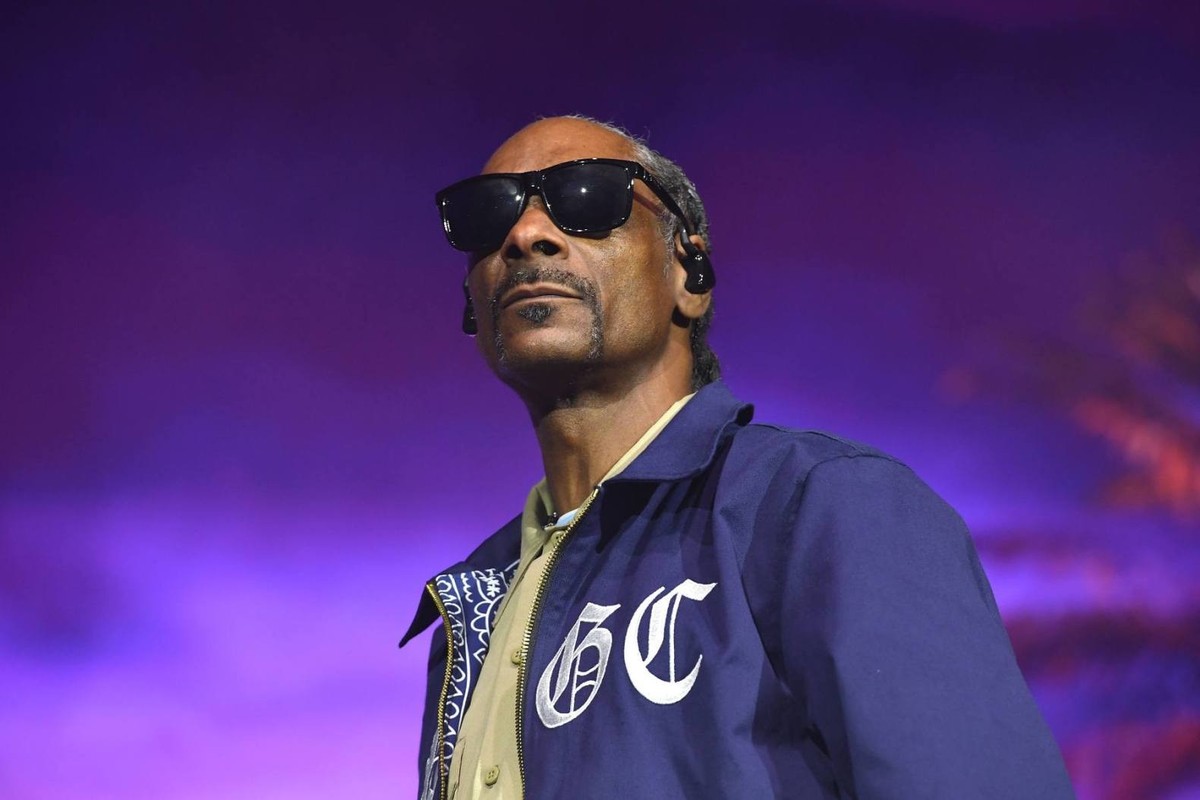
LONG BEACH, CALIFORNIA - JUNE 06: Snoop Dogg performs live at the grand opening of the Long Beach Amphitheater at Long Beach Amphitheater on June 06, 2026 in Long Beach, California. (Photo by Michael Tullberg/Getty Images)
Snoop Dogg will host the 2026 MTV Video Music Awards, marking the show’s return to the West Coast for the first time since 2017.
“MTV and the VMAs have been part of my story since the beginning,” said Snoop Dogg in a statement. “Some of the biggest moments of my career happened on that stage and on MTV – they gave hip-hop a place to be loud, fearless and seen by the whole world. So to come back now and host the VMAs, all these years later, that’s a full-circle moment for me.”
Snoop added that hosting the show with veteran MTV producer Van Toffler “makes it even more special.” He added, “Van was there during those early MTV days when we were changing the culture in real time, and we’ve got a whole lot of history together. Now we get to make some new history. The VMAs have always been about those moments you don’t forget – and trust me, we’re gonna give y’all a few more. See you at the VMAs.”
The rap star is a 13-time VMAs nominee and has received three awards. Snoop made his debut to the VMAs stage in 1994 and later closed the show with Dr. Dre and Eminem in 1999. He returned for a tribute to the Notorious B.I.G. and again for a metaverse-inspired performance with Eminem of their collab track “From the D 2 the LBC” in 2022.
This year, Madonna leads all nominees with 11, thanks largely to the short film she made for her acclaimed new album, Confessions II. Swift follows with nine nominations. For Video of the Year, the Confessions II short film and “The Fate of Ophelia” will face off with Ariana Grande’s “Hate That I Made You Love Me,” Bruno Mars’ “I Just Might,” Gener8ion and Yung Lean’s “Storm,” and Sabrina Carpenter’s “Tears.”
The VMAs are scheduled to broadcast live from Los Angeles on Sept. 27, airing simultaneously on CBS, MTV, and Paramount+.
Dolly Parton's rollicking version of "Bound to Ride" is her first new track to be released posthumously
Almost all of the tracks on the years-in-the-making, all-star tribute album Where the Soul Never Dies: Celebrating 80 Years of The Stanley Brothers, due Oct. 16, were recorded live in the studio, but the album’s producers made an exception for Dolly Parton. During a Covid surge circa 2022, Parton was taking no chances, so she recorded her vocal for the traditional song “Bound to Ride” (which the Stanley Brothers helped popularize with a 1964 recording) alone at her own studio. The virtuoso musicians known as the First Ladies of Bluegrass earlier laid down a backing track for her on their own, though you’d never know it by the playful vibrancy of her performance.
Now, two weeks after Parton’s death at age 80, the song is her first posthumous release, taking her back to her deepest mountain roots. (Click here to preorder and presave the album, and check out the single below.)
Where the Soul Never Dies was produced by banjoist Alison Brown and bassist Garry West, the husband-and-wife team behind Compass Records, and timed to the Stanley Brothers’ long-delayed induction into the Country Music Hall of Fame. Beginning in the mid-1940s, Carter and Ralph Stanley, along with their band, the Clinch Mountain Boys, combined the string-band music of Bill Monroe with the mountain ballads and church singing they learned in southwestern Virginia, plus Carter Family-inspired harmonies.
The album also includes Willie Nelson and Sierra Ferrell on “I’ll Fly Away,” Jamey Johnson and singer-songwriter Shawn Camp on a stark “Rank Strangers to Me,” Dierks Bentley with Della Mae on “How Mountain Girls Can Love,” Jim Lauderdale with the Travelin’ McCourys on “Riding That Midnight Train,” the Nitty Gritty Dirt Band on “Think of What You’ve Done,” Rhiannon Giddens and Dirk Powell on “Little Birdie,” Ralph Stanley II with Tim O’Brien on “Mother No Longer Awaits Me at Home,” and the group I’m With Her performing the hymn-like “Going Up Home to Live in Green Pastures.” Rounding out the album is Steve Martin and Ed Helms’ take on a Stanley Brothers comedy routine.
The producers hope to remind listeners’ of how much country, bluegrass, and Americana owe the Stanley Brothers, who also influenced artists from Bob Dylan to Bruce Springsteen. “I feel like a lot of their stuff is just in the ether,” West says. “It’s just there, and it’s taken for granted. Some of these things are such classics that a lot of people that play these tunes now — because they’re so commonly played in pickup bands — I would bet a lot of the musicians don’t even know the origins of them as Stanley Brothers songs, or at least from their recordings.”
For the Parton track, the First Ladies of Bluegrass — co-producer Brown (banjo), Becky Buller (fiddle), Sierra Hull (mandolin), Missy Raines (bass), and Molly Tuttle (guitar) — rearranged “Bound to Ride,” complete with a newly written eight-bar bridge drawn from an obscure verse. The band worked up the new version while masked around a studio coffee table, and Buller sang a scratch vocal in the band’s best guess at Parton’s key.
“I call it the full Dolly,” West says. “We didn’t know what we would get back, and she really did over-deliver. We were shocked. We couldn’t have gotten anything better.” Parton ended up calling out each of the First Ladies by name during the song, which left the musicians deeply moved.
The idea for the album originated with another label before corporate reshuffling stalled it, and industry veteran J. Tayloe Emery brought the project to Brown and West, whose Compass Records straddles bluegrass and the broader Americana world. The couple produced every track themselves, cutting tracks live at their Nashville headquarters, the former Glaser Brothers studio, where outlaw country got its name. Brown’s own banjo turns up on most of the album. “I’m the best in my price range,” she jokes.
Willie Nelson’s contribution also came together remotely. The country legend initially sent back a track where he simply harmonized with the guide vocal, but when they asked his longtime producer, Buddy Cannon, to take another shot at it, Nelson recorded a strong lead vocal and even a guitar solo. West then decided “there was room for another voice, a different generational take on it,” and recruited Sierra Ferrell to turn the song into a duet.
Then there’s “Pardon Me, Stranger,” in which Steve Martin, Ed Helms, and Brown reinvent “How Far to Little Rock,” the comedy routine the Stanleys performed for years onstage. Brown and Martin each wrote part of the new song, while Martin and Helms came up with new jokes to replace the old-timey ones from the Stanleys’ bit. The finished track features three banjos, with Helms picking alongside Brown and Martin.
The celebration continues Oct. 28, when Brown and West will convene many of the record’s artists — they’re not ready to announce which ones — for a live tribute at Nashville’s CMA Theater. The producers hope the album, the concert, and the induction are just the beginning. “Our hope is that younger players just pick up on the music again and keep it moving forward and keep it alive and keep reinventing it,” West says. “Not being afraid of reinventing it, not being afraid of freshening it up.”
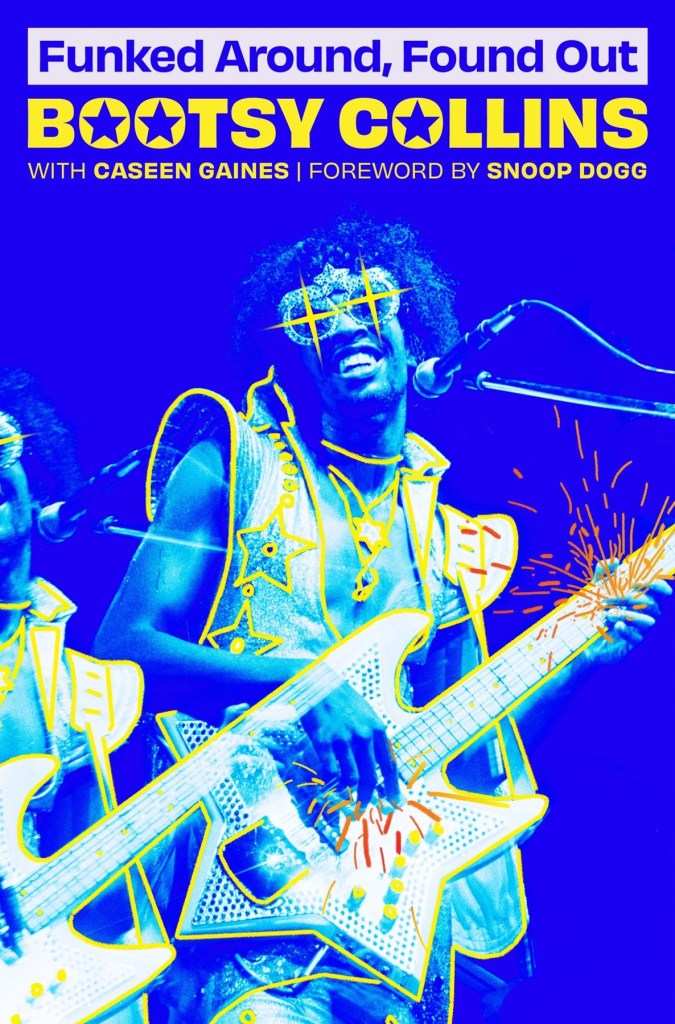
Bootsy Collins, 1970s.
In his 74 years on this planet, funk bass hero Bootsy Collins has survived James Brown’s frivolous fines, kept it on the one with George Clinton in Parliament and Funkadelic, and, as a solo artist, become the avatar for a whole genre since his influence echoes in the music of Prince, Dr. Dre, and Red Hot Chili Peppers. The title of his upcoming memoir, due March 23, is a nice summary of his existence: Funked Around, Found Out. But Collins says the book goes way deeper than that.
“Alright y’all pay attention, because here’s the key change: You’ve heard the records, but it’s finally time to tell my story — the whole truth, nothin’ but the truth, straight up, real deal,” he said in a statement. “If I’m lyin’, I’m dyin’ — and I ain’t ready to go yet.”
Publisher Mariner Books says the book will cover Collins’ youth in Cincinnati, where he and his brother, Phelps “Catfish” Collins, played in the Pacemakers before joining Brown’s band and becoming the JB’s. With Brown, he backed up the Godfather of Soul on “Sex Machine” and other recordings, before he and Catfish quit to play with Clinton. As a member of P-Funk, Collins played on classic albums like Mothership Connection and One Nation Under a Groove. While touring with P-Funk in the mid-Seventies, Collins also launched his solo act, Bootsy’s Rubber Band, and continues to record as a solo artist. He became so popular that he had multiple impersonators.
Collins’ book will cover his drug use within the JB’s, his split with Brown, an examination of the rift between Clinton and him, and a reflection on the motorcycle crash that nearly killed him and made him clean up his act. He also writes about how his collaboration with Deee-Lite, “Groove Is in the Heart,” saved his career “but not his soul.”
As thousands of fans prepare to descend on Paris for Céline Dion’s long-awaited concert comeback, fraudulent websites and social media accounts are targeting people desperate to get inside. The Plenitude Arena, where Dion begins her sold-out run this weekend, is preparing for potentially hundreds of fans to arrive with tickets that look legitimate but are in fact couterfeit, the Associated Press reports.
More than nine million people reportedly entered the ticket lottery for Dion’s initial Paris shows, with the 16-date residency selling out within hours, making it a great opportunity for scammers. Another 10 concerts have been added for 2027.
Cybersecurity firm Group-IB has identified nearly 200 websites and social media accounts impersonating Dion, the arena or legitimate ticketing companies. Some use web addresses designed to look almost identical to the real thing, making it easy for a fan moving quickly to miss the difference.
The arena has had to deal with a similar situation, when Taylor Swift brought her Eras Tour to Paris in 2024, where between 400 and 500 fans were reportedly turned away after arriving with fraudulent tickets. Arena officials now expect Dion’s shows could produce hundreds of similar cases.
That makes buying a last-minute ticket particularly risky. The arena says legitimate resale is limited to AXS France, Ticketmaster France and Fnac Spectacles. Tickets advertised by individuals through social media are a different story, with no reliable way for a buyer to know whether the ticket is genuine or has been sold to multiple people.
The 58-year-old Québec-born singer stepped away from touring after revealing her diagnosis with stiff-person syndrome in 2022, a rare neurological disorder that severely affected her ability to perform.
The first time Nate Amos refers to himself as a songwriter in conversation, he uses air quotes. “Now that I’m a songwriter, quote unquote….” Amos says offhand during a recent interview. Why does one of the most widely hailed songwriters of recent years — the guy whose originals have been covered by Waxahatchee, Cameron Winter, Hayley Williams, Jeff Tweedy, and MJ Lenderman in the last 18 months alone — feel that those quote marks are needed?
“I always thought of myself much more in terms of composition, production, and conceptual art,” says Amos, who records as This is Lorelei. “I kept bouncing off the bottom of the rabbit hole, and at a certain point it seemed like the most creatively aggressive thing I could do would just be to rubber-band all the way back to the most bare-bones type of songwriting I could muster. Leaning into the songwriter thing was almost like a conceptual exercise. So I guess the quotes are because I didn’t expect to make my in-character singer-songwriter album and have a bunch of people go, ‘singer-songwriter Nate Amos.’ That took a little while to get used to.”
Amos is referring to Box For Buddy, Box for Star, an album that, in the two years since its 2024 release, has become an unexpected success story. For years before that, Amos — who is also in the art-rock band Water From Your Eyes with vocalist Rachel Brown — treated This is Lorelei as a side hobby, his “safe, secret world,” as he puts it. It was where he dumped whatever off-kilter pop tunes he was working on, posting them online for a miniscule audience. Now, he’s trying to figure out what it means to turn that passion project into a fast-rising, for-real career.
The Singer In My Band, the straightforwardly upbeat roots record he released this month, is the first example of what that might look like. Amos describes the album, which is entirely devoid of the sampled backing tracks and digitally manipulated vocals that have heretofore defined many This is Lorelei projects, as “an exercise in self-exposure.”
“I feel like Lorelei is in a very volatile state right now, and I’m trying to find that balance between going with the flow and letting it be what it wants to be but also trying to think about it responsibly,” he says. “I don’t want to grow to resent something that was such a source of solace for me for so long.”
FOR ALL THE existential talk about This is Lorelei’s future, Amos doesn’t appear particularly worried during a recent interview with Rolling Stone. He discusses his brand-new album and the state of his two bands as he alternates between his vape and cigarettes. At his team’s suggestion, we’ve met at an ice cream place, where Amos downs a chocolate milkshake and waxes poetic about his recent discovery of fro-yo. (“Just loading up on the fucking gummy bears and shit, it’s so awesome,” he marvels.) Throughout the conversation, he sounds bemused if not slightly mystified by the seriousness with which his music is now taken by the outside world. Somehow, the chill guitarist who likes to take the stage in camo Crocs and whatever Slipknot T-shirt he happens to be wearing that day has become something like the Carole King of 2020s indie rock. When I float that exact comparison to Amos, he starts laughing.
“Something changed over the two years following Box coming out,” he says. “It’s just different now. I don’t know exactly when it happened.”
For years, Amos preferred being the guy in the band who wrote songs while someone else does the singing. That’s how it works in Water For Your Eyes, more or less, and he liked it just fine. His plan was to keep making music as a behind-the-scenes facilitator, to never end up being the frontperson. The title of his new album is, in part, an ironic commentary on the degree to which he’s failed at that goal.
The very first time Amos says he ever heard someone who wasn’t already in his band cover one of his songs was last year, when MJ Lenderman sang his Auto-Tuned Box for Buddy highlight “Dancing in the Club.” (Rolling Stone named Lenderman’s version the second-best song of 2025.)
Amos was actually there for the session when Lenderman recorded the song in North Carolina. “I think I had just hit a bong,” he recalls. “I was like on the couch trying not to laugh while he was recording it. It was trippy. I remember sitting there and being like, ‘This is weird.’”
Lenderman might have been the first high-profile artist to cover a This is Lorelei tune, but others soon followed. By the time Amos began recording The Singer in My Band, he’d become aware of this trend to the degree that it shaped how he wanted to present his new material. Whereas in the past, Amos was inclined to disguise his voice “to make it sound less like me” — pitching his vocals up on the original “Dancing in the Club,” for example — this time he challenged himself to present his songs with minimal adornment.
As for “Dancing in the Club,” Amos is amused that that song, in particular, is the one that kicked off the phenomenon of other artists translating his music for a wider audience. “The bit for that song was that I was going to try to make a song that a pop star could cover,” he says. “I remember laughing as I was writing it, because I was like, ‘This is the cheesiest piece of bullshit ever,’ which it kind of is. But I also think it’s a better piece of work than I gave it credit for at the time.”
This time, Amos challenged himself to drop the bit. “No one likes their own voice, so if I’m making something that’s for me, then I’m going to try to make me not sound like myself,” he adds. “I tried to get over that for this album.”
Amos’ process for writing albums becomes much easier once he gets the first two songs down. “If I can get the chemical reaction between those two things, then the rest of the album will write itself,” he says. For his new record, those first two songs were “Oh No Now My,” a stormy guitar-rocker full of remorse and caution, and “Billy Came Back,” a fast-paced ode to a karaoke legend.
Elsewhere on this album, as on “Eat My Heart Out in the Morning Light” and the title track, he channels roots-rock with the tempo of the traditional American music that Amos grew up surrounded by — his father is bluegrass musician Bob Amos — while songs like “Don’t You Cry in Lonesomeness” features Amos strumming electric guitar by himself over lyrics that could’ve come from Hank Williams.
The newly pronounced country-folk arrangements on the album have already resulted in one headline calling Amos an “alt-country star,” a label that he mostly shrugs off. “‘Alt-Country Star Nate Amos’ makes it sound like I have a lot more money than I have,” he quips.
For all the slacker bedhead energy that Amos can exude, hearing him discuss the tightrope walk of balancing two serious musical projects at once makes it clear that his casual affect conceals an enormous amount of hard work and commitment to his craft. He recorded The Singer in My Band on a tight deadline last year, racing to get it done before kicking off the promotional cycle for Water From Your Eyes’ acclaimed album It’s a Beautiful Place. He ended up finishing the Lorelei album in a week.
Although he remains fully committed long-term to both projects, Amos is dedicating himself to This is Lorelei for the time being. “I feel like we got [Water From Your Eyes] to a point where we can afford the luxury of taking a break for a little while and coming back to it,” he says. “I feel like I really have to lock in and focus on securing Lorelei. Things are happening so fast with it right now that I want to give that my full attention so I don’t look away and it turns into something I don’t want it to turn into.”
What might that be? He’s not even sure. But he knows that he misses the luxury, as he puts it, of “making all the bad songs, too.” When a Lorelei song simply isn’t working now, he just abandons it. He no longer feels like he has the time to see where those bad songs lead him. Mostly, he misses the days of holing up in his apartment to record for days on end, then uploading the results to Bandcamp with zero expectations.
“I’ll be chasing that level of creative freedom for the rest of my life,” he says. “It’s funny, because when I was doing that, I was busting my ass to try and escape it, and it ended up working…. I do really miss it. Now I’m trying to find whole new ways to write, which is the whole point.”
But Amos isn’t hiding from the increased expectations that now follow This is Lorelei. And regardless of how far this wave takes him, he wants to ensure he’s able to retain the spirit of what made the project so precious to him in the first place. “It’s a little bit of a freaky thing to both witness and participate in the commodification of something that’s so intensely personal,” he says. “The nightmare scenario would be no longer caring about it. If I got to the point where people were asking me my preference between two different things that I should care about and I got to the point where I was just like, ‘I don’t give a fuck. I’m too tired…’ If It hit that point, the moment I clocked it, I would become incredibly depressed.”
How did it all happen? How did the behind-the-scenes tinkerer become the singer in his band? How did the weirdo pop-art side project become the go-to vessel for the Great Indie Songwriter?
“I was never trying to write songs for other people to sing, unless it was within the context of my own project,” Amos says at one point. Then he smiles to himself. “That goes back to the whole ‘songwriter’ in air quotes thing. Like, god, who would’ve fucking thought? Certainly not me.”
Taylor Swift has had many honors, but this appears to be the first bug named for her.
Taylor Swift has become so popular that she is no longer confined to the human species. A rising star entomologist at the University of California, Riverside, Sarah Schroeder, has named not one but four species of insects after Swift, critters so distinct that they have been put in their own genus, Swiftiephylus.
The insects are named “in recognition of her show-stopping talent, heart-wrenching lyrics, and the joy and comfort she has brought to so many,” Schroeder writes in her new study, published today in the scientific journal Insect Systematics & Evolution.
The brightly colored insects, native to Australia, are small — just fractions of an inch long — with colors that pop under a microscope. They are part of a large group of insects called “true bugs”; despite the misconception that all insects are “bugs,” a bug is technically an insect with a straw-like mouth and partly translucent wings.
The new species belong to a particular family of true bugs called plant bugs. Although Schroder’s research didn’t include any behavioral studies, plant bugs like Swiftiephylus live short, intense lives lasting one or two months. To eat, they insert their piercing/sucking mouthparts into the stems and shoots of plants, slurping up the plants’ juices, while using chemical pheromones to seek mates and reproduce. Much of the rest of the time, they’re (metaphorically) crossing their six legs hoping to not be detected by predators like birds or lizards.
Swiftiephylus bugs seem to be particularly good at not getting eaten thanks to their reddish-pink markings and blonde body, which camouflages perfectly with the flowers of the plants on which they’re found, called sheoaks (which are actually not oaks at all; unfortunately, the early European settlers in Australia often added “she” in front of words to convey inferiority, as in the quality of the plant’s wood). Far from inferior, these trees, which can look like pines with long droopy needles and reddish-orange flowers, host a large diversity of bugs beyond Swiftiephylys, creating a popular hangout for the six-legged beasts.
When Schroeder, 27, began her research in 2022 as a first-year PhD student, it was Swiftiephylus’ bright blonde and red colors that got her thinking of her favorite pop star, the red splotches evoking Swift’s signature red lipstick. At the time she didn’t know how many new species she would discover. Her mentor and co-author Christiane Weirauch and other scientists had collected 593 specimens during expeditions to Australia more than 20 years ago, which had subsequently sat on a shelf waiting to be examined. Weirauch had roughly sorted them into groups that looked alike, but it took Schroeder years of painstaking analysis to figure out their identities. By comparing the DNA and physical characteristics of all the specimens to the existing specimens held in museums around the world, Schroeder was able to determine that there were four closely related but distinct species to be grouped under one umbrella, which she named Swiftiephylus.
But the fun had just begun. The titular species, with red in the middle of its back, she named Swiftiephylus taylorae; for the other three, she chose names based on Swift’s albums: S. amator, Latin for “lover,” is “named for the dreamy, hopeful, romantic 2019 album Lover;” S. intrepidus is named for Swift’s 2008 Fearless; and S. poetorum is named for 2024’s The Tortured Poets Department. Although there are subtle differences between the species, all four have the defining characteristic of having spines located near the tips of their penis. We don’t yet know the exact function of these spines during sex; “someone should deep freeze them in copula and actually look at the structures,” Weirauch says, referring to the widely accepted practice of freezing bugs during sex to see what all the parts are up to (and entirely redefining the notion of a “cold plunge”).
For Schroeder, all this work is deeply personal. She grew up in Rochester, Minnesota going to choir practice and bonding with her mom over listening to Swift. Her office is covered in Swift photos, and next year she will walk down the aisle to the song “Enchanted.” Being able to connect her love for music to her love for science and the natural world is especially rewarding. While science is often perceived as cold and overly logical, for Schroeder its practice stirs a humility and appreciation for the vastness of nature and the depth of time.
“I just really love trying to uncover what is out there and what has happened in the past. What is the diversity that’s out there and that we just don’t even know about yet?” she asks.
There are plenty more species waiting to be discovered. Despite spending millions of dollars each year trying to find life on other planets, we’ve only documented about 10 percent of earth’s biodiversity, and we estimate there are still 5-20 million species of insects alone awaiting discovery. With a biodiversity crisis brought on by humans’ modification of the environment, we may lose many of these creatures before ever knowing they existed, let alone understand their roles shaped by millions of years of evolution. “We know so little about any of these bugs that we don’t actually understand what we’re losing,” Weirauch says.
Schroeder is on a mission to find solutions, part of a generation of young taxonomists (biologists who name and describe species) demanding respect for their branch of science, which other scientists have often dismissed as “descriptive” and akin to stamp collecting. But when Schroeder tells people about her new discoveries, they are anything but bored, proving the general public’s fascination with finding new species.
“It’s like ‘Oh my God, you found a new species!!’” she says. “It’s amazing to them that there are species undescribed.”
Schroeder’s on the fast track to her dream job of one day working in a museum where she can continue the work of finding and describing new species — that is, if Taylor Swift can make enough albums to keep up.
Brad Balukjian is the publisher of Natural History magazine.