See Shania Twain Ride Pastel Unicorn in New ‘Still the One’ Video
Photo gallery
9 images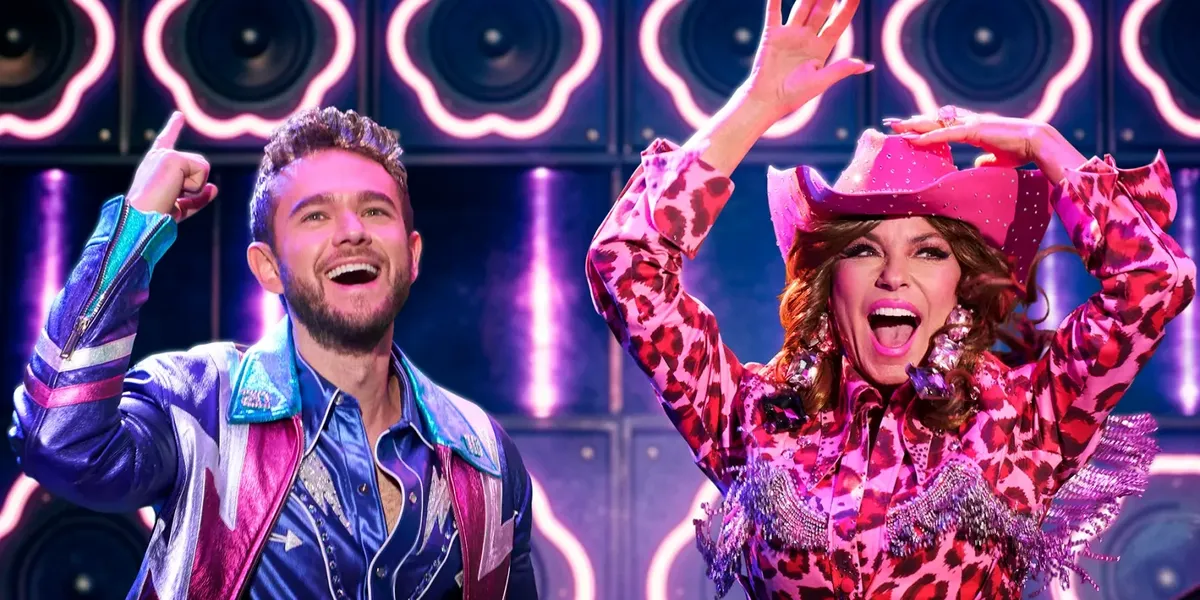

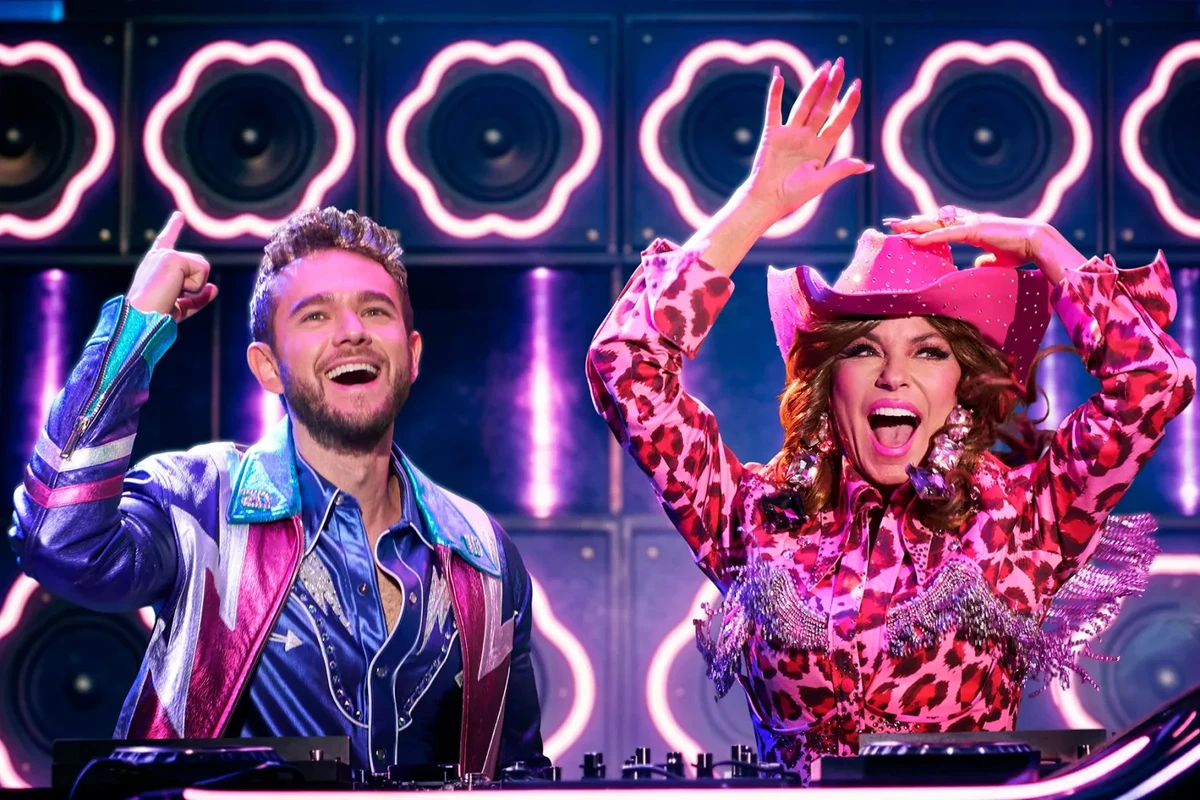

But perhaps the most surreal aspect is Zedd's dance-floor version of the song
Zedd and Shania Twain.
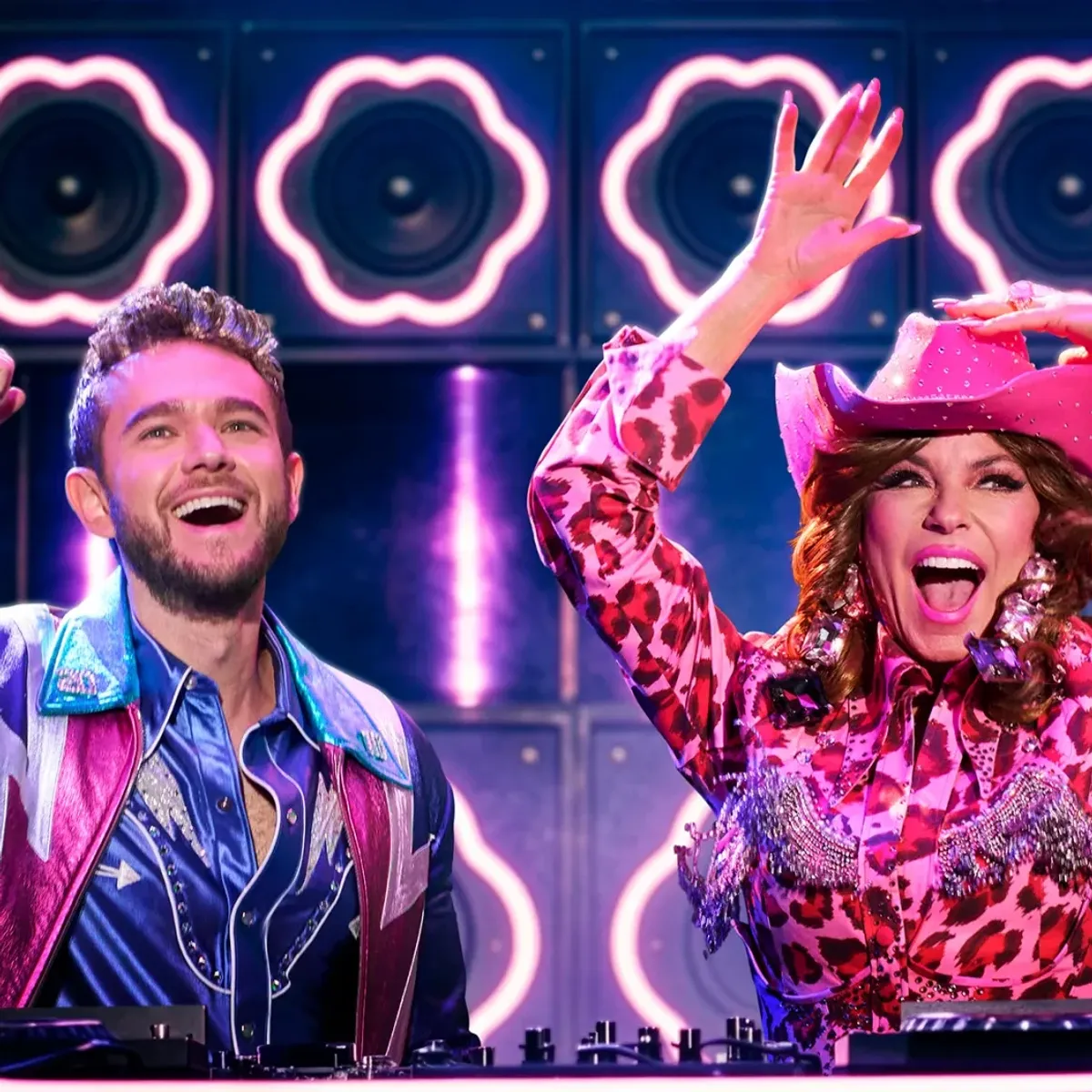
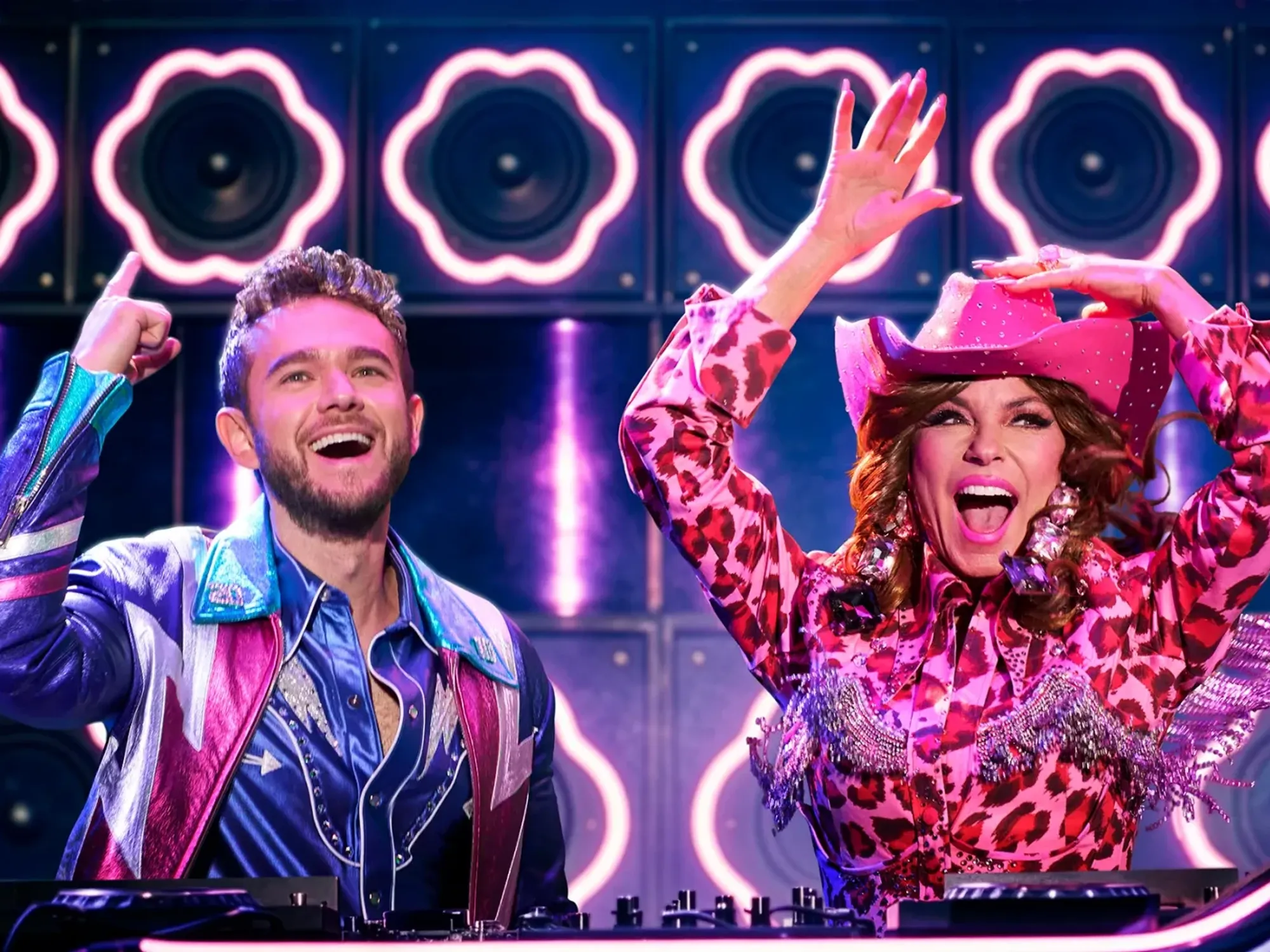
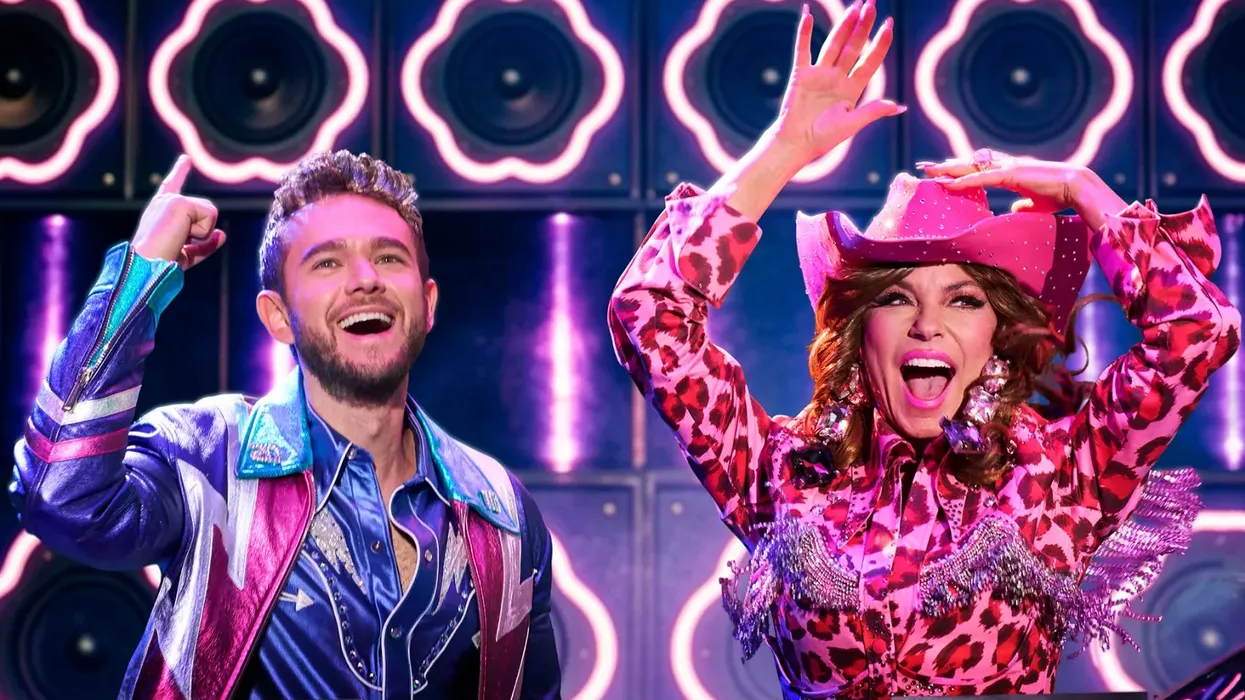
The opening lyrics to Shania Twain‘s “You’re Still the One†take on surrealistic new levels of meaning in the video for her dance-floor ready redo of the song with Zedd: “Looks like we made it/Look how far we’ve come, my baby,†she sings … riding a star-adorned unicorn. The video, which is essentially an ad for Candy Crush since the game sponsored the collab, bursts with glimmery psychedelia, literally Shania in the Sky With Diamonds. Filmmaker Jonas Åkerlund directed the clip.
There’s a pink vulture, flying Swedish fish, singing cacti, a blot-out-the-sun-like-E.T.-silhouette moment, a “glamwash†— and that all takes place two-and-a-half full minutes before Twain even sees Zedd. By then, her unicorn’s legs are motorcycle wheels, and all that’s left is a electro-house line dance. “We mighta took the long way,†Twain sings early in the song, but she likely never thought she’d get here someday.
“Bringing ‘You’re Still the One’ back with Zedd, and building this special world with Candy Crush for fans to play in, felt like the perfect way to give the song new life,†Twain said in a statement. “It feels exactly right.â€
“I was super happy Candy Crush brought me and Shania Twain together,†sed Zedd. “She’s a legendary artist, and I grew up listening to her music, so being able to collaborate with her on a new version of such an iconic song has been really special.â€
Twain originally recorded “You’re Still the One†for her 1997 album Come On Over. Cowritten with producer and Twain’s then-husband, Robert John “Mutt†Lange, the song was intended as a middle finger to naysayers who thought their marriage wouldn’t last.
“Mutt and I are an unlikely pair,†Twain told The Spokesman-Review in 1997. “There’s been talk in the tabloids that we’re divorcing, but we are very happy. We love each other in every way. We have a great creative relationship and a great personal relationship. We feel as strong as ever, and ‘Still the One’ is sort of my own personal victory song about the marriage.†After the couple divorced in 2010, Twain called “You’re Still the One†“the people’s song†and said, “it no longer applies to Mutt and I.â€
The first time Nate Amos refers to himself as a songwriter in conversation, he uses air quotes. “Now that I’m a songwriter, quote unquote….†Amos says offhand during a recent interview. Why does one of the most widely hailed songwriters of recent years — the guy whose originals have been covered by Waxahatchee, Cameron Winter, Hayley Williams, Jeff Tweedy, and MJ Lenderman in the last 18 months alone — feel that those quote marks are needed?
“I always thought of myself much more in terms of composition, production, and conceptual art,†says Amos, who records as This is Lorelei. “I kept bouncing off the bottom of the rabbit hole, and at a certain point it seemed like the most creatively aggressive thing I could do would just be to rubber-band all the way back to the most bare-bones type of songwriting I could muster. Leaning into the songwriter thing was almost like a conceptual exercise. So I guess the quotes are because I didn’t expect to make my in-character singer-songwriter album and have a bunch of people go, ‘singer-songwriter Nate Amos.’ That took a little while to get used to.â€
Amos is referring to Box For Buddy, Box for Star, an album that, in the two years since its 2024 release, has become an unexpected success story. For years before that, Amos — who is also in the art-rock band Water From Your Eyes with vocalist Rachel Brown — treated This is Lorelei as a side hobby, his “safe, secret world,†as he puts it. It was where he dumped whatever off-kilter pop tunes he was working on, posting them online for a miniscule audience. Now, he’s trying to figure out what it means to turn that passion project into a fast-rising, for-real career.
The Singer In My Band, the straightforwardly upbeat roots record he released this month, is the first example of what that might look like. Amos describes the album, which is entirely devoid of the sampled backing tracks and digitally manipulated vocals that have heretofore defined many This is Lorelei projects, as “an exercise in self-exposure.â€
“I feel like Lorelei is in a very volatile state right now, and I’m trying to find that balance between going with the flow and letting it be what it wants to be but also trying to think about it responsibly,†he says. “I don’t want to grow to resent something that was such a source of solace for me for so long.â€
FOR ALL THE existential talk about This is Lorelei’s future, Amos doesn’t appear particularly worried during a recent interview with Rolling Stone. He discusses his brand-new album and the state of his two bands as he alternates between his vape and cigarettes. At his team’s suggestion, we’ve met at an ice cream place, where Amos downs a chocolate milkshake and waxes poetic about his recent discovery of fro-yo. (“Just loading up on the fucking gummy bears and shit, it’s so awesome,†he marvels.) Throughout the conversation, he sounds bemused if not slightly mystified by the seriousness with which his music is now taken by the outside world. Somehow, the chill guitarist who likes to take the stage in camo Crocs and whatever Slipknot T-shirt he happens to be wearing that day has become something like the Carole King of 2020s indie rock. When I float that exact comparison to Amos, he starts laughing.
“Something changed over the two years following Box coming out,†he says. “It’s just different now. I don’t know exactly when it happened.â€
For years, Amos preferred being the guy in the band who wrote songs while someone else does the singing. That’s how it works in Water For Your Eyes, more or less, and he liked it just fine. His plan was to keep making music as a behind-the-scenes facilitator, to never end up being the frontperson. The title of his new album is, in part, an ironic commentary on the degree to which he’s failed at that goal.
The very first time Amos says he ever heard someone who wasn’t already in his band cover one of his songs was last year, when MJ Lenderman sang his Auto-Tuned Box for Buddy highlight “Dancing in the Club.†(Rolling Stone named Lenderman’s version the second-best song of 2025.)
Amos was actually there for the session when Lenderman recorded the song in North Carolina. “I think I had just hit a bong,†he recalls. “I was like on the couch trying not to laugh while he was recording it. It was trippy. I remember sitting there and being like, ‘This is weird.’â€
Lenderman might have been the first high-profile artist to cover a This is Lorelei tune, but others soon followed. By the time Amos began recording The Singer in My Band, he’d become aware of this trend to the degree that it shaped how he wanted to present his new material. Whereas in the past, Amos was inclined to disguise his voice “to make it sound less like me†— pitching his vocals up on the original “Dancing in the Club,†for example — this time he challenged himself to present his songs with minimal adornment.
As for “Dancing in the Club,†Amos is amused that that song, in particular, is the one that kicked off the phenomenon of other artists translating his music for a wider audience. “The bit for that song was that I was going to try to make a song that a pop star could cover,†he says. “I remember laughing as I was writing it, because I was like, ‘This is the cheesiest piece of bullshit ever,’ which it kind of is. But I also think it’s a better piece of work than I gave it credit for at the time.â€
This time, Amos challenged himself to drop the bit. “No one likes their own voice, so if I’m making something that’s for me, then I’m going to try to make me not sound like myself,†he adds. “I tried to get over that for this album.â€
Amos’ process for writing albums becomes much easier once he gets the first two songs down. “If I can get the chemical reaction between those two things, then the rest of the album will write itself,†he says. For his new record, those first two songs were “Oh No Now My,†a stormy guitar-rocker full of remorse and caution, and “Billy Came Back,†a fast-paced ode to a karaoke legend.
Elsewhere on this album, as on “Eat My Heart Out in the Morning Light†and the title track, he channels roots-rock with the tempo of the traditional American music that Amos grew up surrounded by — his father is bluegrass musician Bob Amos — while songs like “Don’t You Cry in Lonesomeness†features Amos strumming electric guitar by himself over lyrics that could’ve come from Hank Williams.
The newly pronounced country-folk arrangements on the album have already resulted in one headline calling Amos an “alt-country star,†a label that he mostly shrugs off. “‘Alt-Country Star Nate Amos’ makes it sound like I have a lot more money than I have,†he quips.
For all the slacker bedhead energy that Amos can exude, hearing him discuss the tightrope walk of balancing two serious musical projects at once makes it clear that his casual affect conceals an enormous amount of hard work and commitment to his craft. He recorded The Singer in My Band on a tight deadline last year, racing to get it done before kicking off the promotional cycle for Water From Your Eyes’ acclaimed album It’s a Beautiful Place. He ended up finishing the Lorelei album in a week.
Although he remains fully committed long-term to both projects, Amos is dedicating himself to This is Lorelei for the time being. “I feel like we got [Water From Your Eyes] to a point where we can afford the luxury of taking a break for a little while and coming back to it,†he says. “I feel like I really have to lock in and focus on securing Lorelei. Things are happening so fast with it right now that I want to give that my full attention so I don’t look away and it turns into something I don’t want it to turn into.â€
What might that be? He’s not even sure. But he knows that he misses the luxury, as he puts it, of “making all the bad songs, too.†When a Lorelei song simply isn’t working now, he just abandons it. He no longer feels like he has the time to see where those bad songs lead him. Mostly, he misses the days of holing up in his apartment to record for days on end, then uploading the results to Bandcamp with zero expectations.
“I’ll be chasing that level of creative freedom for the rest of my life,†he says. “It’s funny, because when I was doing that, I was busting my ass to try and escape it, and it ended up working…. I do really miss it. Now I’m trying to find whole new ways to write, which is the whole point.â€
But Amos isn’t hiding from the increased expectations that now follow This is Lorelei. And regardless of how far this wave takes him, he wants to ensure he’s able to retain the spirit of what made the project so precious to him in the first place. “It’s a little bit of a freaky thing to both witness and participate in the commodification of something that’s so intensely personal,†he says. “The nightmare scenario would be no longer caring about it. If I got to the point where people were asking me my preference between two different things that I should care about and I got to the point where I was just like, ‘I don’t give a fuck. I’m too tired…’ If It hit that point, the moment I clocked it, I would become incredibly depressed.â€
How did it all happen? How did the behind-the-scenes tinkerer become the singer in his band? How did the weirdo pop-art side project become the go-to vessel for the Great Indie Songwriter?
“I was never trying to write songs for other people to sing, unless it was within the context of my own project,†Amos says at one point. Then he smiles to himself. “That goes back to the whole ‘songwriter’ in air quotes thing. Like, god, who would’ve fucking thought? Certainly not me.â€
Taylor Swift has had many honors, but this appears to be the first bug named for her.
Taylor Swift has become so popular that she is no longer confined to the human species. A rising star entomologist at the University of California, Riverside, Sarah Schroeder, has named not one but four species of insects after Swift, critters so distinct that they have been put in their own genus, Swiftiephylus.
The insects are named “in recognition of her show-stopping talent, heart-wrenching lyrics, and the joy and comfort she has brought to so many,†Schroeder writes in her new study, published today in the scientific journal Insect Systematics & Evolution.
The brightly colored insects, native to Australia, are small — just fractions of an inch long — with colors that pop under a microscope. They are part of a large group of insects called “true bugsâ€; despite the misconception that all insects are “bugs,†a bug is technically an insect with a straw-like mouth and partly translucent wings.
The new species belong to a particular family of true bugs called plant bugs. Although Schroder’s research didn’t include any behavioral studies, plant bugs like Swiftiephylus live short, intense lives lasting one or two months. To eat, they insert their piercing/sucking mouthparts into the stems and shoots of plants, slurping up the plants’ juices, while using chemical pheromones to seek mates and reproduce. Much of the rest of the time, they’re (metaphorically) crossing their six legs hoping to not be detected by predators like birds or lizards.
Swiftiephylus bugs seem to be particularly good at not getting eaten thanks to their reddish-pink markings and blonde body, which camouflages perfectly with the flowers of the plants on which they’re found, called sheoaks (which are actually not oaks at all; unfortunately, the early European settlers in Australia often added “she†in front of words to convey inferiority, as in the quality of the plant’s wood). Far from inferior, these trees, which can look like pines with long droopy needles and reddish-orange flowers, host a large diversity of bugs beyond Swiftiephylys, creating a popular hangout for the six-legged beasts.
When Schroeder, 27, began her research in 2022 as a first-year PhD student, it was Swiftiephylus’ bright blonde and red colors that got her thinking of her favorite pop star, the red splotches evoking Swift’s signature red lipstick. At the time she didn’t know how many new species she would discover. Her mentor and co-author Christiane Weirauch and other scientists had collected 593 specimens during expeditions to Australia more than 20 years ago, which had subsequently sat on a shelf waiting to be examined. Weirauch had roughly sorted them into groups that looked alike, but it took Schroeder years of painstaking analysis to figure out their identities. By comparing the DNA and physical characteristics of all the specimens to the existing specimens held in museums around the world, Schroeder was able to determine that there were four closely related but distinct species to be grouped under one umbrella, which she named Swiftiephylus.
But the fun had just begun. The titular species, with red in the middle of its back, she named Swiftiephylus taylorae; for the other three, she chose names based on Swift’s albums: S. amator, Latin for “lover,†is “named for the dreamy, hopeful, romantic 2019 album Lover;†S. intrepidus is named for Swift’s 2008 Fearless; and S. poetorum is named for 2024’s The Tortured Poets Department. Although there are subtle differences between the species, all four have the defining characteristic of having spines located near the tips of their penis. We don’t yet know the exact function of these spines during sex; “someone should deep freeze them in copula and actually look at the structures,†Weirauch says, referring to the widely accepted practice of freezing bugs during sex to see what all the parts are up to (and entirely redefining the notion of a “cold plungeâ€).
For Schroeder, all this work is deeply personal. She grew up in Rochester, Minnesota going to choir practice and bonding with her mom over listening to Swift. Her office is covered in Swift photos, and next year she will walk down the aisle to the song “Enchanted.†Being able to connect her love for music to her love for science and the natural world is especially rewarding. While science is often perceived as cold and overly logical, for Schroeder its practice stirs a humility and appreciation for the vastness of nature and the depth of time.
“I just really love trying to uncover what is out there and what has happened in the past. What is the diversity that’s out there and that we just don’t even know about yet?†she asks.
There are plenty more species waiting to be discovered. Despite spending millions of dollars each year trying to find life on other planets, we’ve only documented about 10 percent of earth’s biodiversity, and we estimate there are still 5-20 million species of insects alone awaiting discovery. With a biodiversity crisis brought on by humans’ modification of the environment, we may lose many of these creatures before ever knowing they existed, let alone understand their roles shaped by millions of years of evolution. “We know so little about any of these bugs that we don’t actually understand what we’re losing,†Weirauch says.
Schroeder is on a mission to find solutions, part of a generation of young taxonomists (biologists who name and describe species) demanding respect for their branch of science, which other scientists have often dismissed as “descriptive†and akin to stamp collecting. But when Schroeder tells people about her new discoveries, they are anything but bored, proving the general public’s fascination with finding new species.
“It’s like ‘Oh my God, you found a new species!!’†she says. “It’s amazing to them that there are species undescribed.â€
Schroeder’s on the fast track to her dream job of one day working in a museum where she can continue the work of finding and describing new species — that is, if Taylor Swift can make enough albums to keep up.
Brad Balukjian is the publisher of Natural History magazine.
Notorious B.I.G. in 1995.
The Snoop Dogg biopic has cast its Notorious B.I.G., with a famous son set to play Big Poppa.
As Variety reports, SwayvoTwain — the musician born Michael D’Angelo Archer II to late legendary artists D’Angelo and Angie Stone — will portray Biggie in the film, which is expected to hit theaters in August 2027. While Archer has been regularly releasing music as SwayvoTwain over the past few years, this will be his first major acting role after scoring a small part in the 2022 straight-to-streaming film, Strictly for the Streets vol. 2.
SwayvoTwain celebrated the announcement on Instagram, sharing a montage of recent videos, including a short clip of him hanging out with Snoop himself. “It’s all good baby, BABYYY,†he wrote in the captioning, a nod to the opening lines of the Notorious B.I.G. classic, “Juicy.â€
It’s unclear how big of a role SwayvoTwain will have in the Snoop biopic. Biggie and Snoop were friendly, but not super close, and, geographically speaking, they sat on opposite ends of the infamous East Coast/West Coast rap feud of the Nineties. But their paths crossed on a couple of occasions, and though there was mutual respect and admiration, their relationship was marred somewhat by the tensions of the day.
Speaking with with Fatman Scoop a few years ago, Snoop explained the origins of his song with Tha Dogg Pound, “New York, New York,†long considered a Notorious B.I.G. diss because it used a beat DJ Pooh made for Biggie for a St. Ides commercial. Because B.I.G. wasn’t using the beat for anything but the commercial, Snoop asked Pooh if he could use it because “we fucked with Biggie and we liked Biggie.â€
But when Snoop and Tha Dogg Pound flew to New York City to film the video, Snoop claimed Biggie went on the radio and revealed where they were filming; not long after, some shots were fired near the set, but no one was hurt. Despite this, Snoop didn’t seem to hold anything against Biggie, chalking it up to the nature of the feud. He then revealed the two rappers met not long after Tupac was murdered.
“I can look in his eyes and I can see that he hurt,†Snoop said of Biggie’s reaction to Tupac’s death. “He didn’t even have to say it… This is not a man that’s happy or glamorized; this is his friend that’s dead. They had a misunderstanding and he could never get no justice for his emotions — but he’s showing me his emotions.†(Snoop added that he and Biggie never discussed “the Brooklyn incident†because “what’s understood don’t need to be talked about.â€)
A few months later, Biggie invited Snoop to visit him in the studio, where he played an early version of “Somebody’s Gotta Die,†which opens with the lyric, “I’m sitting in the crib, dreaming about Lear jets and coupes/The way Salt shoops, and how to sell records like Snoop — oops!â€
Speaking to Rolling Stone in 2021, Snoop said, “It was like the utmost respect for him to play that record for me. For me to know that he thought that much of me to put that shit on his album… That was growth. He had grown to a position of, ‘I’m at peace. I love Snoop. Snoop showed me love, let me show him a little love back. Trying to end this shit.’ He knew that was an olive branch.â€
Though those encounters may have been brief, both would certainly provide good fodder for a biopic. Snoop is set to star Jonathan Daviss in the lead role, with Myles Bullock as Dr. Dre, Camron Jones as Tupac, Tre Hale as Suge Knight, Lauren London as Snoop’s mother Beverly Tate, and Laya DeLeon Hayes as his wife, Shante.Craig Brewer, who helmed Hustle and Flow and Song Sung Blue, is directing the film.
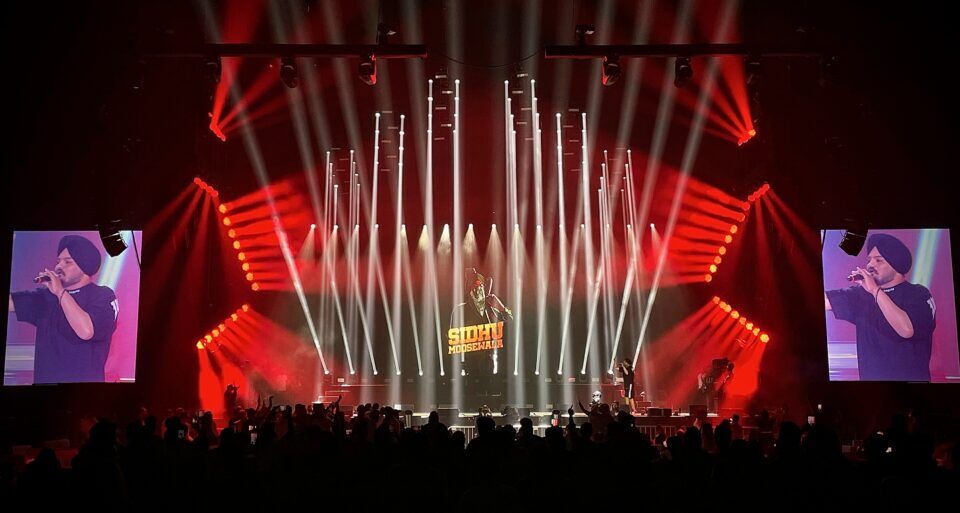
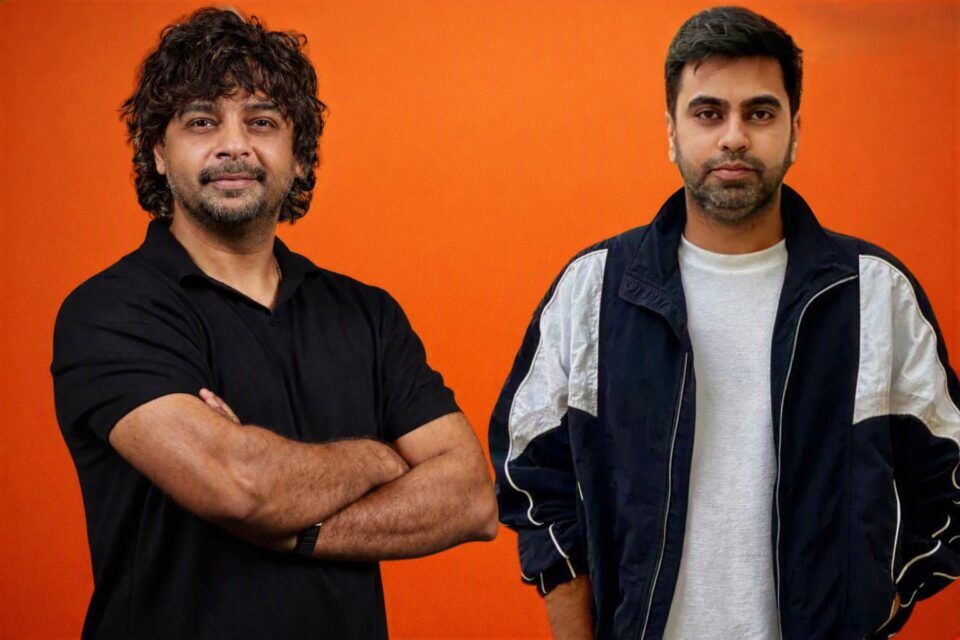
In 2022, New Delhi company The Concert Production’s founders Sohail Mansuri and Zeeshan Siddiqui were putting finishing touches to the look and feel of Punjabi star Sidhu Moose Wala’s Back 2 Business World Tour when they learned of his assassination.
Siddiqui recounts to Rolling Stone India, “We did his last mega concert at the Coca-Cola Arena in Dubai. His India tour was about to start in June and he died on May 29.†Mansuri was just about to get on a flight to prepare for the on-ground production of the India tour, and held back. “I was just so shocked; he was so young and his popularity grew so much even after [his death],†Mansuri says.
At the suggestion of Harpreet Singh, aka Hunter, founder of tour promoter Platinum Events, Mansuri and Siddiqui began exploring a way to bring Moose Wala back to the stage, this time as a hologram. The idea was audacious, but it came with the blessing of the late artist’s parents and team. With that, The Concert Production began work on the hologram show, attempting to recreate the experience of seeing him perform live.
Hunter pitched the idea inspired by legendary rapper (and Moose Wala’s oft-cited inspiration) Tupac’s hologram performance at Coachella Festival in 2012, which created global waves. Mansuri says, “He came up saying, ‘Let’s do a tribute concert for him, because people are actually in love with him. Let’s do a tour and keep him alive.’â€
Three and a half years on, it’s led them to the Signed To God tour, set to kick off on Oct. 8, 2026, at Scotiabank Arena in Toronto, with more shows across North America and Europe to be announced. There are plans to bring the shows to India as well. “Through state-of-the-art 3D holography, fans will see Sidhu walk the stage, make eye contact with the crowd, deliver his powerful lyrics, and relive his most iconic moments. Every performance is synced with live lighting, sound, and stage effects, making the experience feel personal and unforgettable,†a description on the tour website states.
See on Instagram
While it’s being marketed as a hologram tour, The Concert Production makes it a point to clarify that the technique is actually called Pepper’s Ghost, which relies on 2D projection. A similar technique has been used for hologram appearances of Tupac, Michael Jackson, Whitney Houston, Elvis Presley, Ronnie James Dio, and more across the world. Now, Sidhu Moose Wala gets to become the first Indian artist to join the list.
Especially in the age of artificial intelligence, Siddiqui and Mansuri are quick to clarify that no AI was used in the creation of the Signed To God shows. Instead, they actually flew to Italy, worked with a body double and prosthetics team to create a real-life, living, moving model of Moose Wala to capture movements and body language to use for the hologram. “We created a person who is like Sidhu,†Siddiqui says. Incidentally, even the Tupac ‘hologram’ was based off of movements by a trained body double, making it an industry-standard practice.
Considering how all-encompassing the influence of AI has been in recent years, Siddiqui does mention that they attempted to create an AI-generated likeness of the artist around 2024 through an agency in the U.K. “But to be very honest, it was looking very kiddish. It was looking very gimmicky because the reaction, what Sidhu used to do, was not a frequent action with AI. That is the reason we used prosthetics and a body double. We needed him to look exactly how he did, right down to how thick his moustache was. All the detailing has been taken care of,†Siddiqui says.
Holed up somewhere in Italy with a European production and prosthetics team sourced by Platinum Events’ Hunter, Siddiqui says the body double was trained how to walk exactly like Moose Wala, along with his signature moves and gestures. “The prosthetic has been done by a Hollywood artist. The body double appears on the stage exactly how Sidhu used to look. No one can say that he is not Sidhu.†Mansuri adds, “Even the pagdi (turban) guy who ties the pagdi was flown from India. We had a tattoo artist work on all the same tattoos that Sidhu had.â€
Mansuri says that they have to be “very skeptical†about every frame and lighting that goes into the Signed To God shows, because the projection “is being seen only from certain angles†to audiences. “Making the hologram [visible] to the whole arena is a very big task. Because of the hologram dispersion, where everyone should be able to see, we have to occupy only that much of the crowd. If the arena is about 10,000 people, we can only occupy about 6,500 to 7,000,†he adds.
The Signed To God tour is something both Mansuri and Siddiqui hail as a milestone for their company, formed in 2020 after the two grew tired of the complacency they faced in concert production. Having worked with the likes of Raftaar, Diljit Dosanjh (whose concerts Siddiqui considers his breakthrough in the music industry), Salim-Sulaiman’s Bhoomi shows, Badshah, DJ Chetas, Bismil, Sid Sriram and others, they have mounted shows featuring everything from colorful, Xylo bands (seen famously at Coldplay’s concerts) to moving stages that even get hydraulically elevated.
For all the scale and technology that goes into their shows, Mansuri notes that the starting point has always been the artist. “If there are no inputs from the artist, we don’t work with them,†he says matter-of-factly. He adds, “We love to work with artists who actually call us and talk to us about what they want, send us references. A lot of artists now put money from their own pocket to make their show better.â€
Now, they’re taking on a whole different beast with Moose Wala’s Signed To God tour. They’ve seen a lot of rumor-mongering from fans and punters online, but this is the first time they’ve gone into details about what’s gone into it. “We were very skeptical at first if we’ll be able to do justice to Sidhu in terms of his stage presence. It should not look like a gimmicky thing, that’s one thing we’ve been clear about. We just wanted to create a reality for the entire show where people feel that Sidhu has appeared on stage and he is the one who’s performing.â€
This story was originally published by Rolling Stone India.
Celeste Rivas Hernandez was found dead in the trunk of a Tesla on Sept. 25, 2025 in Lake Elsinore, CA.
After enduring a harrowing court proceeding in July that laid bare the grisly details of their daughter’s death, the parents of Celeste Rivas Hernandez are suing singer D4vd for wrongful death and accusing his mother and managers of negligence.
In a new 20-page lawsuit, obtained by Rolling Stone, the parents and their lawyer, Patrick Steinfeld, echo much of the evidence prosecutors presented at the multi-day hearing that ended with a Los Angeles County judge ordering D4vd, born David Anthony Burke, to stand trial. Burke was arraigned last week on his renewed charges alleging he sexually assaulted Rivas Hernandez as a minor before murdering her at age 14, dismembering her body with a chainsaw, and hiding her remains in the front trunk of his Tesla.
Mom Mercedes Martinez and dad Jesus Rivas claim in their new court filing in Los Angeles County Superior Court that Burke started sexually abusing their daughter in November 2023, when Rivas Hernandez was 13 years old. They allege he exchanged text messages with her “concerning an abortion of a pregnancy Burke acknowledged was his,†and that he continued the alleged abuse for more than a year.
“At all relevant times Burke was an adult who occupied a position of authority over decedent, a minor, and was able to and did exercise undue influence and control over her, including by providing her a concealed cellular telephone to maintain contact outside her parents’ knowledge, using false identities, and arranging and paying for her travel,†the lawsuit claims.
The complaint alleges that before Rivas Hernandez’s alleged murder on April 23, 2025, Burke arranged for an Uber to transport her from the vicinity of her family’s home in Lake Elsinore, California, to his house in the Hollywood Hills. It claims Burke then stabbed Rivas Hernandez to cover up his alleged abuse, and that the “front-to-back path of the abdominal wound and the absence of any hesitation marks are consistent with an attack upon decedent by another, rather than any self-inflicted injury.â€
The lawsuit says that after Rivas Hernandez’s remains were found in Burke’s towed Tesla months later, on Sept. 8, 2025, her parents had to wait until Sept. 16 for a positive identification because her corpse was in a “severely decomposed condition, with portions never recovered.â€
Burke is accused of wrongful death in the new lawsuit as well as battery, sexual battery, childhood sexual assault, assault, false imprisonment, human trafficking, and intentional infliction of emotional distress as survival actions brought by the parents. The complaint alleges Burke also engaged in human trafficking of Rivas Hernandez by causing or inducing her “to engage in commercial sex acts.â€
“The money, food, shelter, designer gifts, travel, a ring, and a promise of future marriage that Burke gave to [Rivas Hernandez] were given on account of the sexual acts, satisfying the commercial sex-act element,†the filing claims. “Because decedent was a minor, neither her purported consent nor any mistakes as to her age is a defense.â€
The lawsuit names Burke’s publishing and merchandising companies as other defendants, claiming they were the vehicles that funded the alleged abuse. It also names his managers, Josh Marshall and Robert Morgenroth, as co-defendants, along with their company Mogul Vision, and the live-in security guard, identified as Sheldon Jacques, who allegedly drove Burke to pick up Rivas Hernandez from her parents’ house before her family first reported her missing in February 2024.
“Entity defendants and management defendants, through their agents, employees, and funds, and not merely through Burke’s personal acts, provided or facilitated the residence, transportation, travel, communications, security and logistics that enabled Burke to isolate (Rivas Hernandez) from her family and to be alone with her,†the filing states. “Mogul Vision, whose principal client was Burke, leased the Los Angeles residence at which Burke resided and at which acts alleged herein occurred.â€
The complaint says Morgenroth managed Burke’s day-to-day affairs and even “resided at†the rented mansion where the alleged murder and dismemberment took place. (A former financial executive at Mogul Vision testified at the July hearing that Burke, known for his hit song “Romantic Homicide,†took home roughly $10 million to $11.5 million in gross earnings through recording, merchandising, and music-publishing deals.)
Burke’s mother, Colleen Burke, was his personal financial manager who was a signatory on his accounts, approved and paid his bills, and “controlled the flow of the enterprise’s funds,†the lawsuit states. “Colleen Burke, by approving and funding arrangements that housed decedent and enabled Burke’s access to her, and by hosting decedent, a minor, for one or more nights in her own home with Burke, undertook conduct giving rise to a duty to exercise reasonable care for decedent’s protection,†it claims.
All co-defendants in the new lawsuit have been accused of negligence in failing to protect a minor.
According to the filing, the entity and individual defendants allegedly “knew or should have known of Burke’s dangerous propensities toward and sexual exploitation of [Rivas Hernandez], a minor, and failed to take reasonable steps to protect her, to supervise Burke, or to prevent the continued abuse.â€
Rivas Hernandez’s parents further allege that one or more of the management defendants had “actual knowledge†that Burke was sexually abusing Rivas Hernandez, a minor, but continued working with him. The family said it may seek to amend the complaint with additional allegations as it obtains evidence through discovery.
Jacques, the security guard, is named in an aiding-and-abetting claim tied to the allegations of sexual battery, childhood sexual assault, and false imprisonment. The parents allege Jacques provided “substantial assistance and encouragement†to Burke by helping remove Rivas Hernandez from her family home, transporting her, and facilitating Burke’s continued access to and control over her.
Lawyers for Colleen and the singer’s managers at Mogul Vision did not immediately respond to requests for comment from Rolling Stone on Tuesday. Attempts to reach Jacques were not immediately successful.
Rivas Hernandez’s parents are seeking unspecified damages to be determined by a jury trial. They say in the lawsuit that the alleged childhood sexual assault of their daughter “resulted from a cover-up and a concerted effort to hide evidence†on the part of certain defendants, entitling them to triple damages.
The new lawsuit comes after Rolling Stone published an investigation into the “Romantic Homicide†singer last month that detailed a pattern of concerning behavior on the part of Burke, much of which predated his alleged abuse of Rivas Hernandez.
In a statement released by their lawyer over the weekend, Rivas Hernandez’s parents urged Los Angeles County District Attorney Nathan Hochman to seek the death penalty against Burke. Hochman recently reiterated that his office has not decided whether to pursue capital punishment or seek the alternative maximum sentence of life in prison without the possibility of parole.
“If the death penalty were activated, it would be perfect for this kind of human being, devoid of feelings and emptiness inside, and without conscience, who only caused pain to our daughter, our family, and the world that supports our precious daughter,†the family said in the statement shared by Steinfeld and obtained by Rolling Stone. “But that’s not in our hands, but rather in God’s, and the California justice system.â€