Everybody Likes Drake Again. That Means We’re Healing
Photo gallery
6 images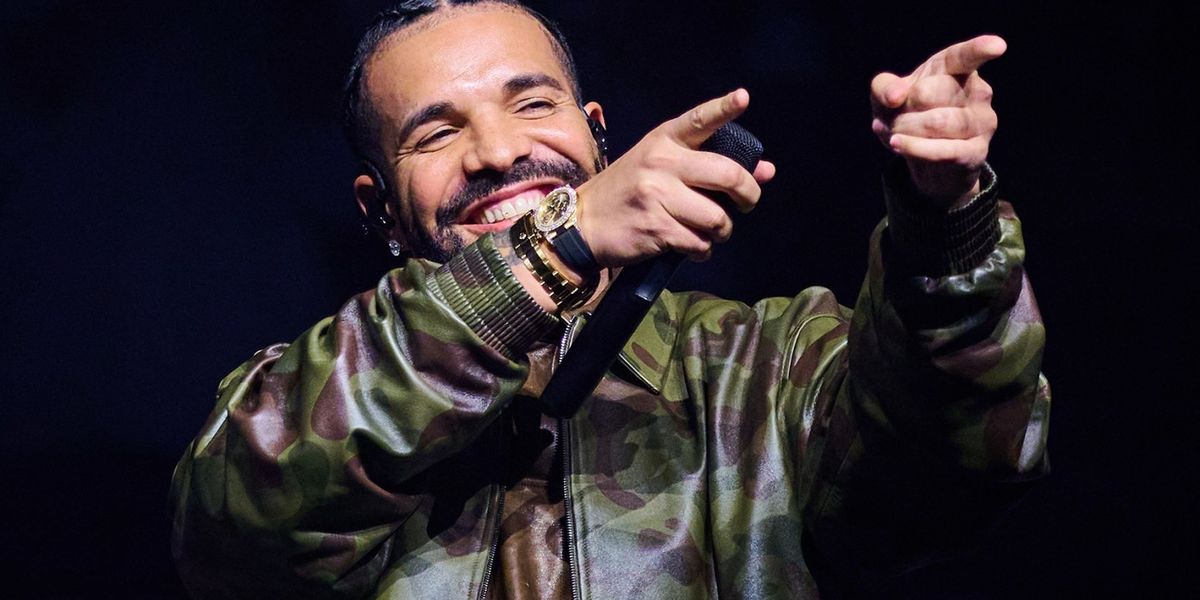

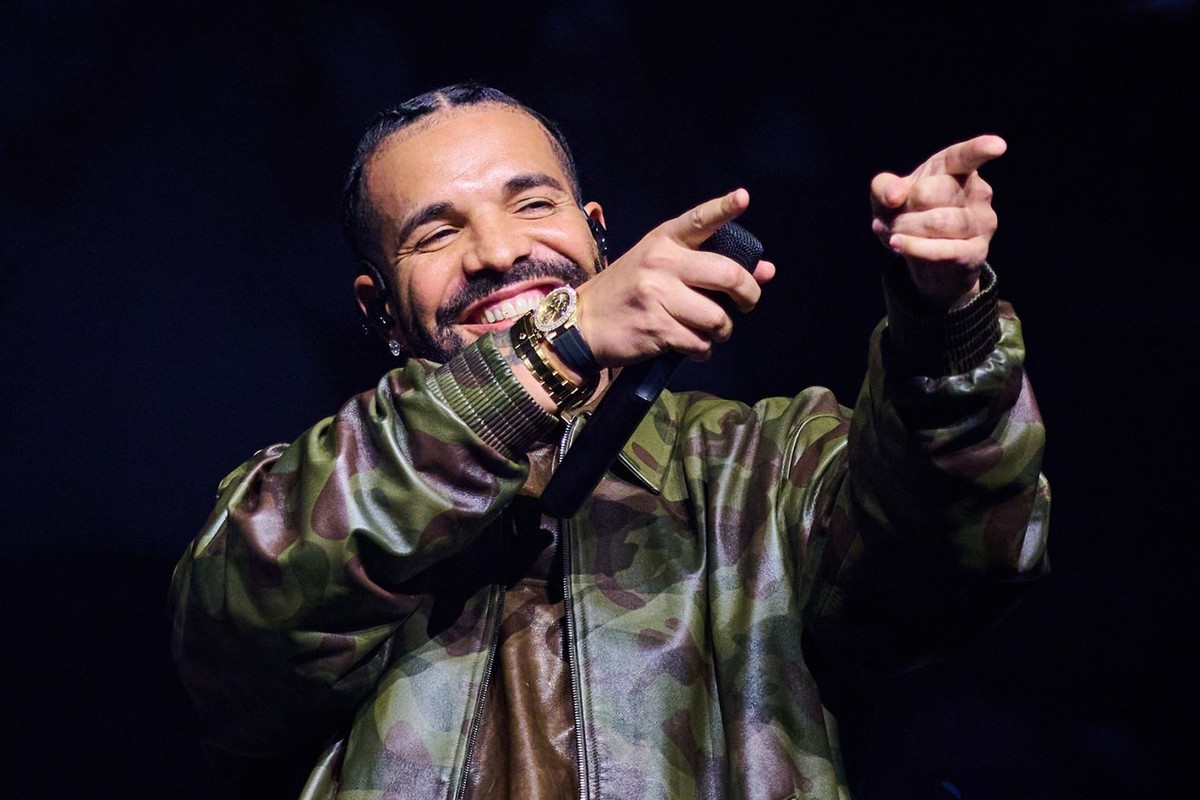
For a while, playing Drake’s music felt like taking a moral position. Now, with his chart comeback and 'Fear of Missing Out' on the way, it’s time to rethink his downfall
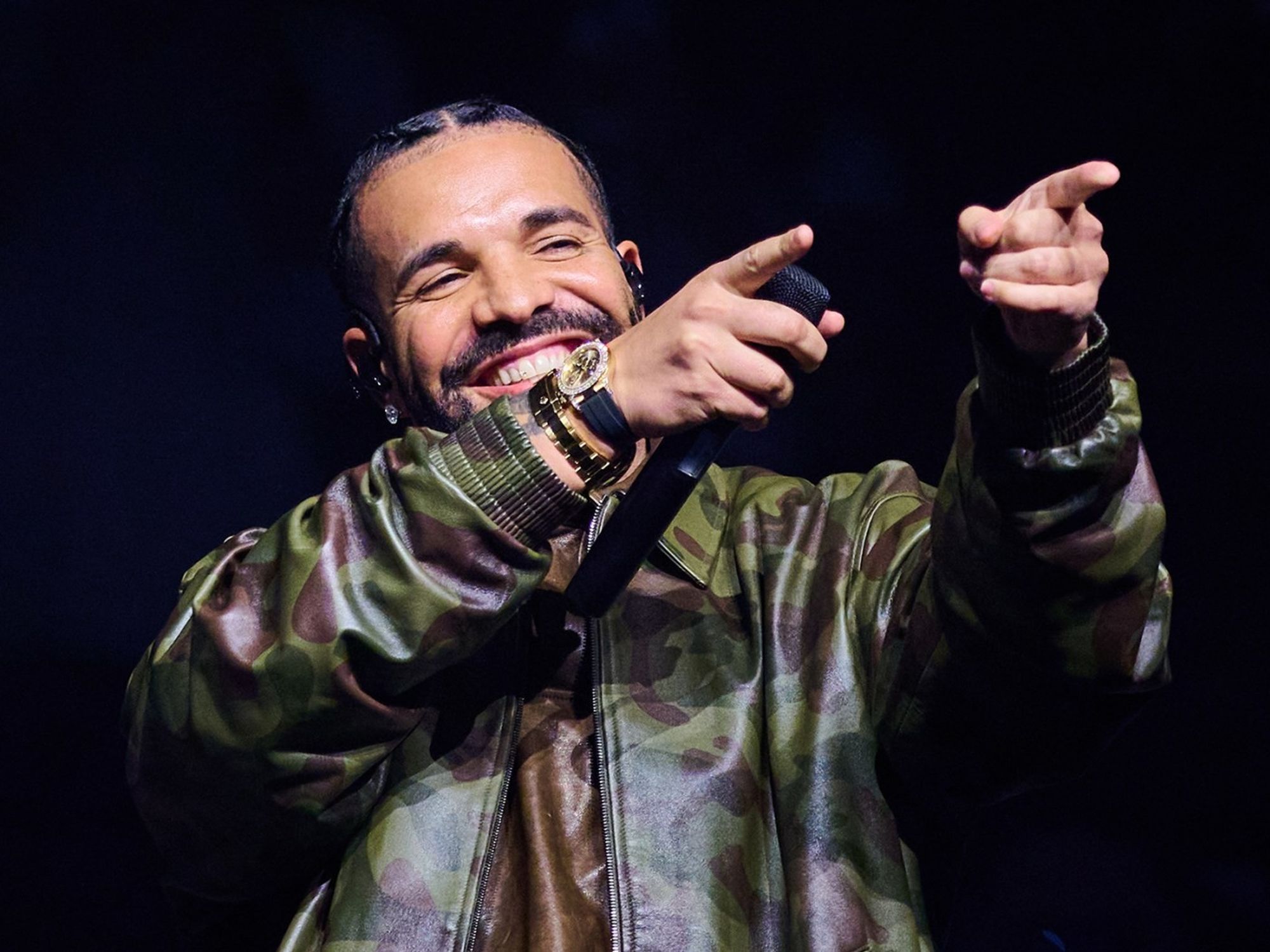
Drake onstage in Toronto last year
Not to be dramatic or anything, but not too long ago, listening to people talk about Drake, you’d think he would never top the charts again. But here we are: With Iceman, he’s broken his own record, earning a 13th week atop Billboard’s Top R&B/Hip-Hop Albums chart on Sept. 5, surpassing Take Care’s 12-week run more than a decade ago. The achievement comes after the great rap civil war of 2024, which was framed as everything from a referendum on Drake’s character as a human being to a cleansing of what popular radio host Ebro would describe, in February 2025, as “a sickness in the game.â€
Again, not trying to be dramatic, but even if you were skeptical of the discourse circa 2024, it is a bit shocking to hear the public’s recent re-embrace of Drake. Consider how far the frenzy around the most salacious allegations on Kendrick Lamar‘s “Not Like Us†extended. There was Christopher Alvarez, a disabled journalist, being dragged into conspiracy theories. There was the woman from the resurfaced concert footage, now 31, having to publicly dispute the creepy significance strangers had assigned to an onstage kiss from when she was 17. Drake said in his lawsuit against UMG that the threats had forced him to pull his seven-year-old son out of school.
What now feels like the absurdity of the moment registered as something deathly serious at the time. By September 2024, Lamar was releasing the ominous “Watch the Party Die,†just days after his Super Bowl halftime performance was announced. Oh, also, a major talking point in American culture a year and a half ago was whether one of the biggest superstars in the world would be publicly branded a pedophile during the Super Bowl.
In what world would any celebrity recover from that?
Except, with time, the online frenzy surrounding the Drake and Lamar feud reads more like a mass-psychosis event than a cultural reckoning. The music, oddly enough, often seemed secondary to the certainty of everyone discussing it. “Not Like Us†was a veritable hit, absolutely. But its cultural dominance became bound up in a widespread vilification of Drake that curdled online, where the most damning interpretation of anything could quickly become the accepted one. For a while, even putting on a Drake song could feel like something you had to explain, as if listening amounted to taking a position on the allegations.
That this all happened in 2024 is meaningful. This was right in the peak of Elon Musk’s reconstruction of Twitter, privileging rage bait and engagement tactics that helped misinformation disseminate like fact. It was also the beginning of AI tools becoming sophisticated enough to produce convincing-sounding tracks. Even before Drake released his first response, “Push Ups,†AI-generated response tracks were circulating across social media. And so, in many ways, the well of public opinion was already poisoned.
Listeners’ recent embrace of Drake feels settled in a broader cultural shift brewing since 2024. The beef, in hindsight, feels like a dying vestige of whatever people want to call “Woke 1.0â€: a particular faith that exposing the right person could amount to a cultural transformation. For a moment, defeating Drake seemed to promise something about the future of hip-hop, about who would belong in it and what it would tolerate.
There were obvious holes in the argument, namely who exactly these arbiters of culture were and why they were uniquely qualified to speak for the entirety of Black people, questions that Drake pokes at on “Ran to Atlanta†from Iceman. Still, these were never even supposed to be binding philosophical truths in the first place. To hear levelheaded commentators discuss it, this was all simply entertainment — two of the genre’s greats duking it out. Even one of the beef’s catalysts, Metro Boomin, echoed the sentiment, lamenting how online fans had turned the battle into something sinister. Hell, even Jay-Z said something similar before himself tossing a few jabs at Drizzy in a freestyle at the Roots Picnic this year. But the artists themselves supplied the allegations. The ability to raise those stakes and then retreat into “simply entertainment†was part of the dynamic, too.
Even so, how it all devolved into a pseudocultural reckoning says more about the environment fans exist in today than it does about either Drake or Lamar. In the years around the beef, shocking revelations about Diddy as well as the global elite’s ties to Jeffrey Epstein have become folded into the background, alongside a sense that accountability remains selective. This atmosphere of collective powerlessness offers one explanation for the conspiratorial thinking at the heart of Lamar versus Drake. A frustration with an increasingly degraded world and dwindling resources to change it means outrage can mobilize an enormous number of people very quickly, with little holding them together once the moment passes.
The language of exploitation and cultural extraction gave the battle a purpose that seemed to extend well beyond either rapper. But even if you took the least charitable opinion imaginable of our Canadian hitmaker, what was supposed to happen after Drake was defeated? The industry whose supposed wickedness Drake allegedly embodied carried on selling the spectacle itself.
What everyone was caught up in was an appetite with a longer history than the social media platforms now feeding it. Lance Oppenheim’s new film, Primetime, returns to Chris Hansen and To Catch a Predator, a television format that made public humiliation feel like a public service. The connection is in the experience offered to the audience. The viewer could enjoy the confrontation with the reassuring sense that watching served some larger good. Never mind if anything that was unfolding on screen amounted to justice.
In the historian Anton Jäger’s book-length essay Hyperpolitics, published earlier this year in English, he describes how the past decade’s surge of political feeling has coincided with a continuing withdrawal from communal life. More isolated digital environments can fuel extraordinary mobilization without the actual community organizations that might turn it into something tangible. Negating Drake, then, became a gesture in itself. A means of signaling a broader dissatisfaction with the direction of hip-hop culture. Where the problems extend to technology and the demoralizing margins of streaming music, for a while it felt good for people to just wrap it all up in one word: Drake.
But on Iceman, it’s hard to take the idea of Drake as an evil force within hip-hop very seriously, even as he himself makes an effort to lean into the role of the villain. Drake’s music is most potent when it’s aimed at the masses, even if he swears his nice-guy days are over. This is the Degrassi kid turned global superstar rivaling Taylor Swift, after all.
Now, with Fear of Missing Out, Drake’s cryptically announced project slated for release this week, we’ve entered a second kind of Drake Renaissance. However delusional it seems, there was a moment when it felt somehow wrong to play Drake. His return to the top of the charts suggests a good deal of people were eager to get back to listening.
Slayyyter at Lollapalooza 2026 in July.
Welcome to our weekly rundown of the best new music — featuring big singles, key tracks from our favorite albums, and more. This week, The War on Drugs are back with their first song in four year (and it rocks), Slayyyter issues a warning to her ex on a threatening rework of “Crank,†and This is Lorelei wags his finger at a shifty friend on a jaunty highlight from his latest album. Plus, new tunes from Rema, Jhené Aiko, Tinashe, Dolly Parton, and Quavo.
The War on Drugs, “Who’s That†(YouTube)
Slayyyter, “Crank 2†(YouTube)
This is Lorelei, “The Kid With the Crown†(YouTube)
Rema, “Oh No†(YouTube)
Jhené Aiko feat. Kendrick Lamar, “So Good†(YouTube)
Dolly Parton, The First Ladies of Bluegrass, “Bound to Ride†(YouTube)
Lucy Dacus, “No Thank You, I Love You, Goodbye†(YouTube)
Tinashe, “Pillow Fight†(YouTube)
Robi, Arón Piper, “De Sueño En Sueño†(YouTube)
Quavo feat. T.I., “Backwards†(YouTube)
Rachel Chinouriri, “Make Believe†(YouTube)
Eric Church, “On the Road†(YouTube)
Sierra Ferrell, “Pair of Dice†(YouTube)
Rio Da Yung OG, Veeze, “Superstar†(YouTube)
Haruomi Hosono, “Ayurveda†(YouTube)
Shygirl, “Lucky (Hymn)†(YouTube)
Eem Triplin, “Funny Games†(YouTube)
Ibibio Sound Machine, “Chopping Mountain†(YouTube)
Teenage Fanclub, “Be With You Tonight†(YouTube)
M(h)aol, “Scam Manifesto†(YouTube)
Cooper Kenward, “Ya Buddy†(YouTube)
DJ Suzy feat. Nourished By Time, “So Sw33t†(YouTube)
Anamanaguchi, “Yeah I Guess†(YouTube)
Daine, “Product of Profit (P.O.P.)†(YouTube)
Computer Kill, “Must Have Been a Dream†(YouTube)
Sophia Stel, “I Do†(YouTube)
Elderbrook “Never Get Enough†(YouTube)
N.O.R.E in 2026
N.O.R.E., the rapper and host of the popular podcast Drink Champs, has responded to a sexual assault lawsuit brought against him by Carmen Bryan, describing her claims as “invented interactions†that are “entirely false.â€
The denial comes two days after Bryan filed a 20-page civil complaint against N.O.R.E., real name Victor Santiago, alleging the rapper was intoxicated when he forced himself on her in the middle of a packed Manhattan nightclub in 1999. According to the lawsuit, Santiago “physically overpowered†Bryan and “committed an act of non-consensual digital penetration,†all while ignoring her pleas for him to stop. The alleged assault only ended when other clubgoers reportedly pulled Santiago off Bryan.
Bryan, a known name in the New York hip-hop world in the Nineties and who shares a child with rapper Nas, claimed that on two separate occasions, Santiago apologized after realizing who she was. “It reinforced that Santiago understood he had crossed a line and sought to excuse his conduct only after recognizing who she was,†the complaint alleged.
In a statement posted on Santiago’s Instagram account on Friday, his attorney Leonard Lesser claimed that Bryan “had a history of making salacious and contested claims about public figures,†referring to her 2006 memoir It’s No Secret: From Nas to Jay-Z, from Seduction to Scandal–a Hip-Hop Helen of Troy Tells All.
“Nowhere in this ‘tell-all’ … did she mention Mr. Santiago or anything resembling this incident,†the lawyer said. “We will defend Mr. Santiago from this legally groundless lawsuit and look forward to exposing Ms. Bryan’s fabrications in court as we clear Mr. Santiago’s good name.â€
In her complaint, Bryan, an entrepreneur who worked at Rush Management, said the “pervasive sexism, sexual objectification, and ‘misogynoir’†within the culture of hip-hop led her to stay publicly silent for more than 25 years. However, in private, Bryan claimed that she told Jay-Z, a trusted confidante and with whom she had a secret on-off relationship for years, about the alleged assault.
Jay-Z allegedly “threatened to confront Santiago personally,†but Bryan said she was able to persuade him not to get involved. (Representatives for Jay-Z did not respond to Rolling Stone’s request for comment.)
Bryan sued Santiago under the New York City Victims of Gender-Motivated Violence Protection Act, and she is seeking compensatory damages as well as damages for emotional distress and mental anguish.
After a summer of teasers, Quavo has revealed the title and release date for his third studio album executive produced by Pharrell Williams. Qrömelife will arrive on Oct. 2, marking the rapper’s first full-length LP since Rocket Power landed in 2023.
Quavo first previewed Qrömelife with the braggadocious, Williams-produced single “Haavin†in June and “Trance (Walk It Down)†in August. Alongside the album announcement, the Atlanta native is offering another glimpse into the record with “Backwards,†his latest single that recruits T.I. for a guest verse. Quavo initially premiered the song last week with a live performance at WWE’s Sunday Night Main Event.
“Backwards†namedrops both rappers’ hometown constantly from start to finish. “ATLA, ATL, Atlanta/Middle of the trap, you see a Phantom,†Quavo says during the intro. “All type of poles, more than Magic/All type of hoes throwin’ it backwards.†Along with “Haavin,†“Trance (Walk It Down),†and “Backwards,†Qrömelife will feature 11 additional songs. The track list has not been revealed in full.
“This man got us recording on yachts in the middle of the ocean and Louis V headquarters, you seeing every new bag, one of one,†Quavo recently told V-103 Atlanta about working with Williams, who is also the menswear Creative Director of Louis Vuitton. “It’s just so much inspiration. You got to you got to have something you got to have something to say by the time you get to that mic.â€
While chipping away at Qrömelife, he added, “he just reminded me to just stay on track.†Quavo commended Williams for honoring the “original way to make a record,†which in this case meant prioritizing hooks, bridges, and verse structure, while still leaving room for versatility. “Working with P, he going to challenge you,†Quavo said. “He going to make sure that all these songs is songs.â€
My Morning Jacket.
My Morning Jacket and the Preservation Hall Jazz Band mined new emotion in Neil Young‘s “Like a Hurricane†for an upcoming tribute album, Heart of Gold. Their rendition of the song, which appeared on Young’s 1977 album, American Stars ‘n Bars, still features a monster guitar solo, but Jim James sings the vocals with unusual sadness and the soulful touches from the Jazz Band’s brass instruments, including their own solos, put a unique spin on the song.
Both Heart of Gold: The Songs of Neil Young, Vol. 2 – Out of the Blue and Vol. 3 – Into the Black will come out on November 6 to raise money for the Bridge School, the California-based nonprofit that Young co-founded with his ex-wife Pegi 40 years ago to help children with speech and physical disabilities. Lucinda Williams, Ann Wilson, Peter Frampton, MJ Lenderman, Ben Gibbard, and Los Lobos are among the artists who contributed cover versions. Both volumes are available for pre-order.
“We were so honored to get to be at several of the Bridge School Benefit concerts in the past, and are so honored to once again be a part of raising funds for this amazing school, with these amazing songs of Neil Young,†James said in a statement. “We felt like teaming up with Preservation Hall Jazz Band would add some magic to this track, so we all got together with producer Ross Hogarth down in New Orleans and recorded it live at Marigny Studios. We hope you enjoy listening to it as much as we enjoyed playing it!â€
Modest Mouse and Califone also released a rendition of “Barstool Blues,†a song that originally appeared on Young’s 1975 album with Crazy Horse, Zuma. Shimmering synths and Modest Mouse frontman Isaac Brock’s signature staccato delivery give the song a new, New-Wavey feel. The instrumentation, which recalls “Then He Kissed Me,†is more pronounced in their version.
“Getting to do a cover of one of Neil’s songs on a project like this matters both because it gets to be helpful for an important cause like the Bridge School, and because it’s actually attached to the person whose song we are covering,†Brock said. “It’s really… well, it’s a stressful honor. The stakes seem a little higher. I like that.â€
“As the Bridge School celebrates our 40th anniversary, these Heart of Gold tribute albums are a meaningful reminder of the incredible community that has supported our mission for so many years,†Gabriela Berlanga, the Bridge School’s executive director, said in a statement. “We know that music has an extraordinary ability to connect us, inspire us, and bring people together for a greater purpose. We are especially grateful to those whose love and appreciation for music have inspired them to support our mission and help ensure that individuals with communication and physical disabilities have a voice.â€
The tribute albums follow the release of Heart of Gold: The Songs of Neil Young Part I last year. That release featured Eddie Vedder, Fiona Apple, Brandi Carlile, and others. “The album opens promisingly with Brandi Carlile’s lovely, meditative reading of ‘Philadelphia,’ a ballad that appeared on the soundtrack to the first big Hollywood movie to address the AIDS crisis, performed here by an artist who has long been an eloquent advocate for LGBTQ+ issues,†Rolling Stone’s review of the album said. “It’s what tribute records are for, showing us a meaningful echo of an artist’s legacy that might not be the first thing that springs to mind.â€
Heart of Gold: The Songs of Neil Young, Vol. 2 – Out of the Blue Track List
1. My Morning Jacket with the Preservation Hall Jazz Band, “Like a Hurricaneâ€2. Ann Wilson, “Walk With Meâ€3. Draco Rosa, “After the Gold Rushâ€4. Peter Frampton & John Jorgenson feat. Jay Dee Maness, Herb Pedersen, Steve Duncan and Mark Fain, “Heart of Goldâ€5. Lucinda Williams, “Don’t Be Deniedâ€6. Los Lobos, “Cinnamon Girlâ€7. Edie Brickell, “Only Love Can Break Your Heartâ€8. Tyler Ballgame, “Tell Me Whyâ€9. Sharlotte Gibson, “Ohioâ€10. Jesse Malin, “Pocahontasâ€11. Southside Johnny and Bobby Bandiera, “Rockin’ in the Free Worldâ€12. Dramarama, “Kinda Fonda Wandaâ€
Heart of Gold: The Songs of Neil Young, Vol. 3 – Into the Black Track List
1. Briston Maroney, “My My, Hey Hey (Out of the Blue)â€2. LP, “Harvest Moonâ€3. King Princess, “Helplessâ€4. Modest Mouse feat. Califone, “Barstool Bluesâ€5. Ben Gibbard, “Don’t Cry No Tearsâ€6. MJ Lenderman, “Separate Waysâ€7. Cold War Kids, “Tonight’s the Nightâ€8. Kurt Vile and The Violators, “When Your Lonely Heart Breaksâ€9. Devendra Banhart, “Pardon My Heartâ€10. Emily Hackett, “Everybody Knows This Is Nowhereâ€11. RAC feat. Kelcey Ayer, “Hey Hey, My My (Into the Black)â€12. New Constellations, “Unknown Legendâ€
During Jay-Z’s headlining concert in Paris on Thursday, Justin Timberlake and Pharrell Williams joined him on stage as surprise guests.
The packed show at Stade de France, the country’s largest stadium, was a continuation of Jay-Z’s 30th anniversary celebrations, dubbed “Jay-Z30,†commemorating his debut album, Reasonable Doubt. Timberlake delivered a performance of “Holy Grail,†which features his vocals for Jay-Z’s 12th studio album Magna Carta Holy Grail. Timberlake also sang “Until the End of Time,†his duet with Beyoncé that was included in the deluxe edition of 2006’s FutureSex/LoveSounds.
Williams, who made an appearance during Jay-Z’s previous anniversary concerts in New York, and Jay-Z performed multiple songs together in Paris including “Just Wanna Love U (Give It 2 Me)†and “Excuse Me Miss.â€
Jay-Z has spent the summer on a monumental run of shows touting his legacy. The rap mogul marked 30 years of Reasonable Doubt and 25 years of The Blueprint with a historic three-night run at New York’s Yankee Stadium in July. For the occasion, he brought out a lineup of heavy hitters including Beyoncé, Alicia Keys, Eminem, Usher, Rihanna, Nas, and more.
During his opening night at London’s Tottenham Hotspur Stadium, Jay-Z was joined by Idris Elba, who opened the show with the spoken intro from Jay-Z’s American Gangster, and Lauryn Hill and Wyclef, who sang Fugees hits “Ready or Not,†“Killing Me Softly,†and “Fu-Gee-La.â€
Jay-Z will continue the celebrations at SoFi Stadium in Los Angeles on Friday, Oct. 23.