'Heated Rivalry' Author Rachel Reid Donates $300k to Help N.-S. Libraries
Photo gallery
9 images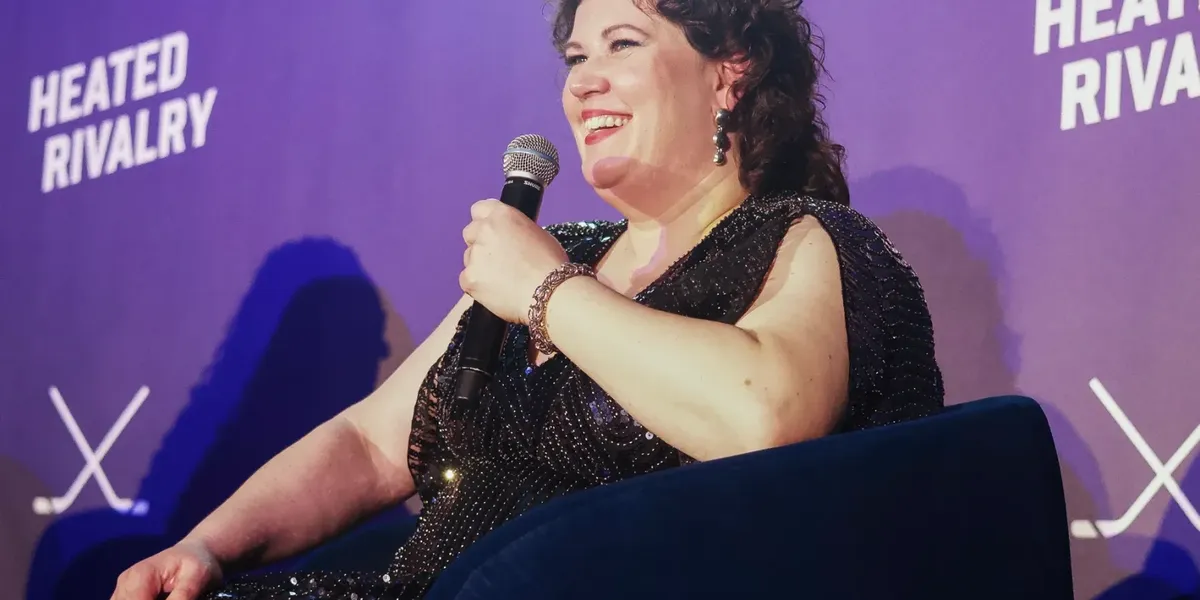
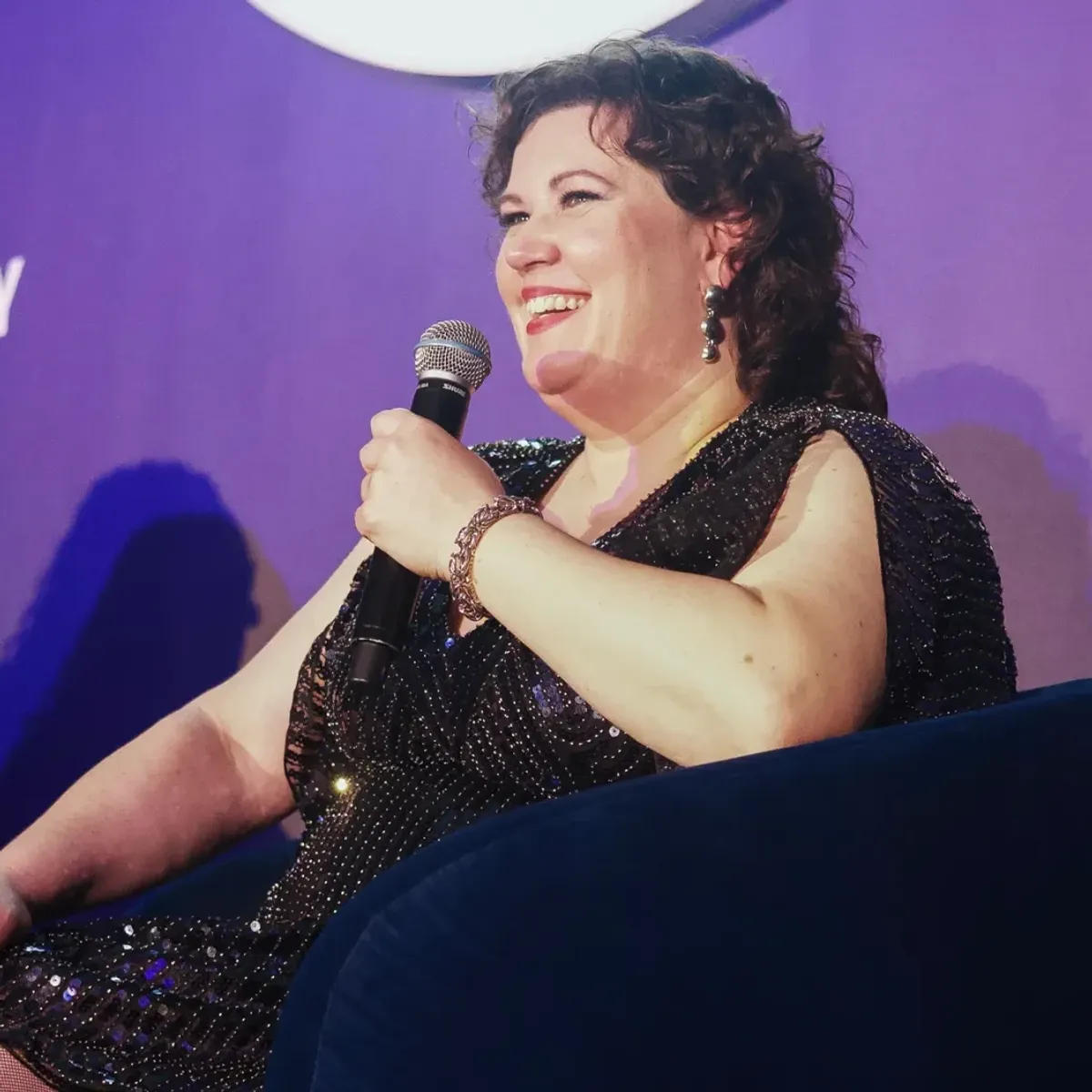
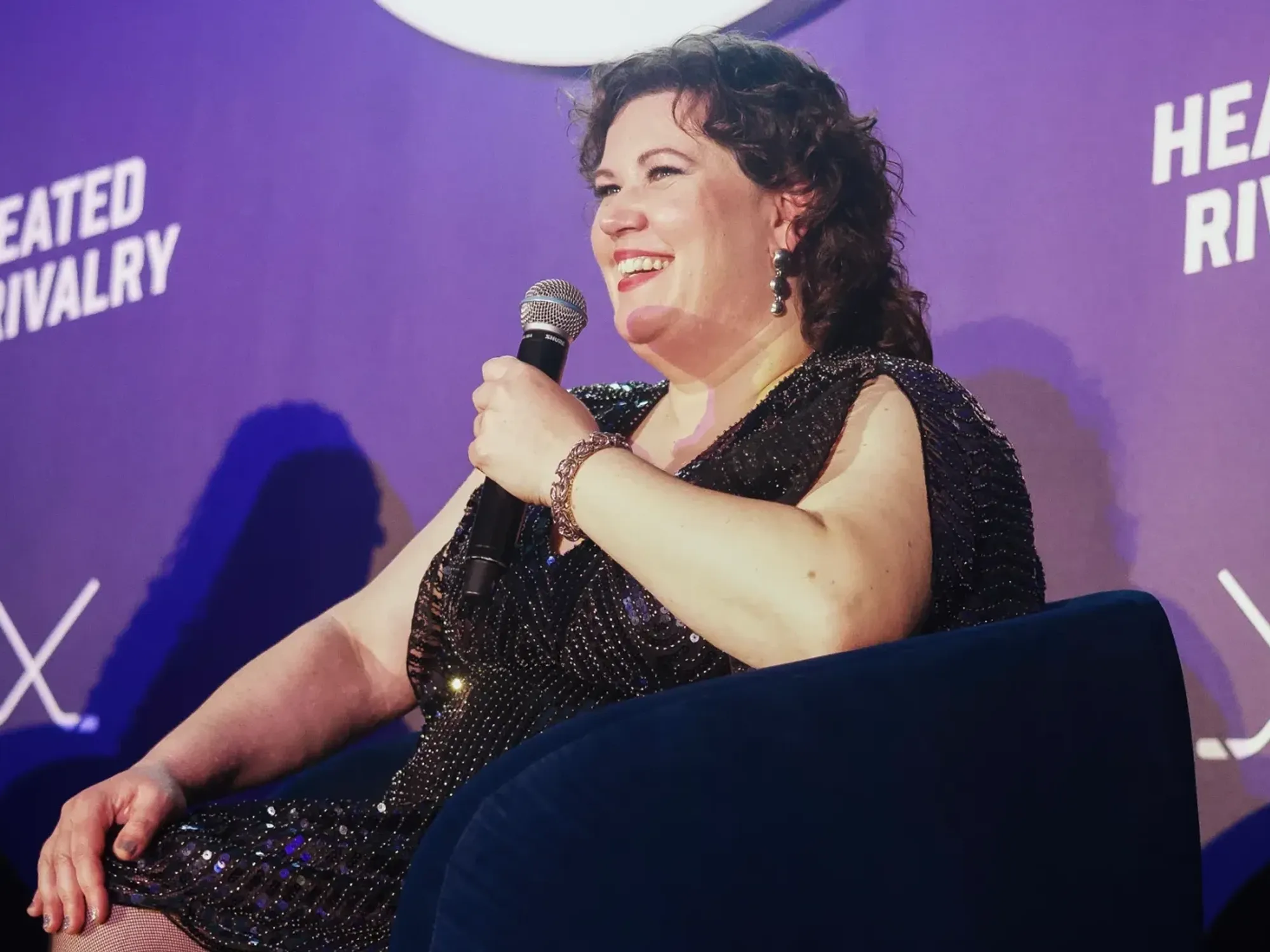


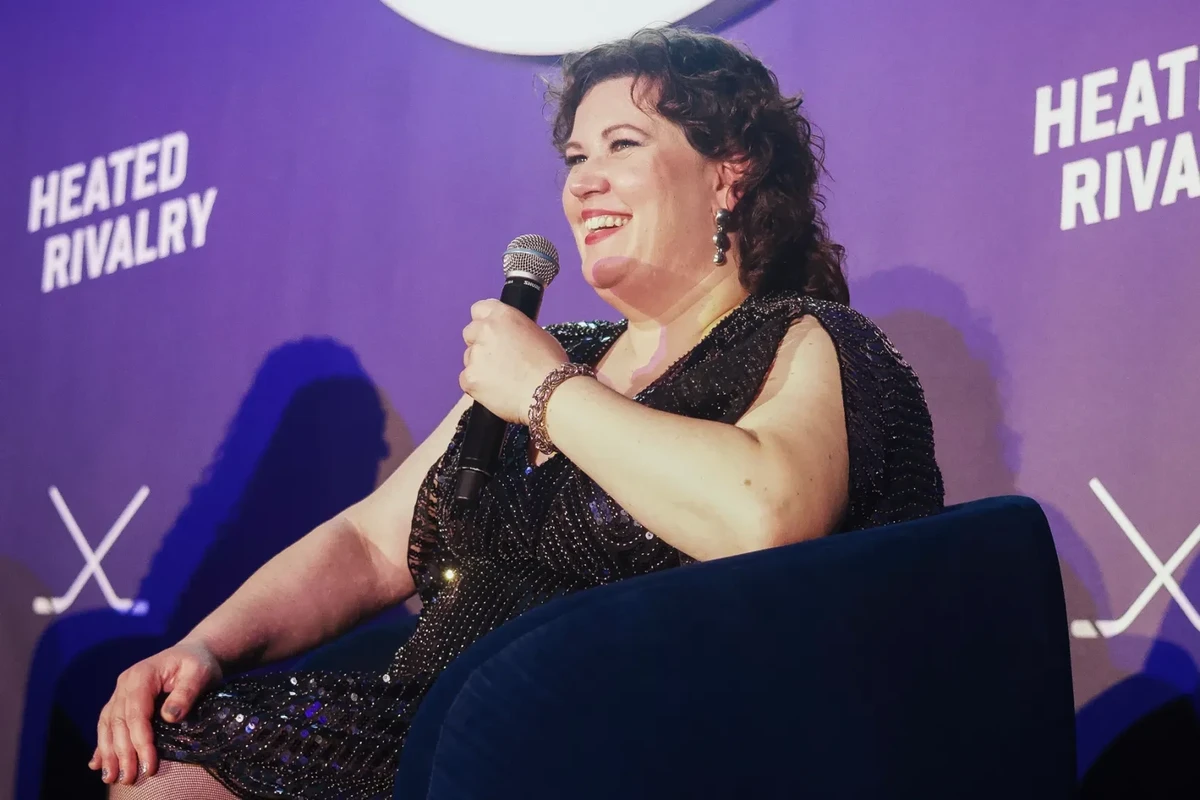

Reid says the libraries that helped inspire her writing career deserve the same support that helped her become a successful author.
Rachel Reid is putting some of the success behind Heated Rivalry toward a cause that helped shape her career in the first place. The Nova Scotia author has announced a donation of $300,000 to the Annapolis Valley Regional Library after learning that five branches were facing permanent closure due to lack of funding.
Reid told CBC News that the decision was driven by a desire to give back to the community that supported her long before her romance novels became a global success. "I had to do it because I don't know what the point is of being a successful author in Nova Scotia if you're not going to use it for good," she said.
The donation comes after the library board turned to its reserves to keep the threatened branches operating through next month. The five locations, in Hantsport, Kentville, Lawrencetown, Port Williams and Middleton, had been facing closure as the library struggled to secure enough funding to maintain them through the end of this fiscal year.
Earlier this year, the board had asked the municipalities it serves for $351,000 in additional funding, but only received about a third of that amount.
Reid's contribution was warmly welcomed by local officials, with Kentville mayor Andrew Zebian sharing on Facebook that the donation "is an incredible gift, and it will make a real difference for libraries and the people who use them across our region". Library CEO Julia Merritt said the $300,000 gift will allow all five branches to remain open until the end of the current fiscal year, with most of the money going toward staffing costs.
"This is an incredibly generous gift, and we are profoundly grateful to Rachel for choosing to invest in libraries, the Annapolis Valley, and the people our libraries serve" Merritt said in a statement, adding that the donation will help the library continue providing opportunities for people across the region to read, learn and connect. The library, however, has stressed that the gift is not a substitute for reliable annual funding from governments.
What happens when Peter Pan’s shadow has a shadow?
Over the past two weeks, TikToker Toni Kulusich, better known as @babytoni99, has gone viral for videos of herself with Peter Pan at Disneyland. What might otherwise look like a routine character meet-and-greet has sparked a very different reaction online, with social media users questioning whether her decade-long fandom of a fictional character crosses a boundary.
According to an interview with Wired, Kulusich, 27, didn’t see her content really take off until a clip of her gifting Peter Pan a tiny crocheted duck started trending.
Suddenly, she’d gone from 10,000 views to a million, and the angry comments were flooding in. Critics took issue with some of the recordings, particularly those in which Kulusich appears to kiss Peter Pan on the cheek or get down on one knee to propose to him. Other videos, however, show Kulusich and Pan skipping arm in arm through Fantasyland, with the actor seemingly leaning into the friendly exchange.
But Kulusich insists there’s a distinction between her Disney obsession and her life outside the park. “It’s not like I’m going to the store or to my job and thinking about Peter Pan,” she said, referring to her job as a manager at a big-box retailer. “It’s just that when I’m inside Disney, I’m able to release my inner child and the kid who doesn’t want to grow up.”
Kulusich defended herself to Wired, saying that even her husband of four years, a Marine, is “really supportive” of her hobby. But her account has sparked a conversation about Disney adults, what’s appropriate when visiting a park, and what’s pushing things too far. Though Kulusich says that criticism of her is unfair, there are plenty of other instances of fans crossing the line. (Kulusich, who is using her middle name to protect her privacy, declined to be interviewed by Rolling Stone. Disney did not respond to a request for comment.)
Today, there are 12 Disney parks across the globe. Guests come for the attractions, shows, and, of course, the characters. Those range from princesses, known within the company as “face characters,” whose performers wear costumes and company-approved makeup while showing their own exterior, to Mickey Mouse and other “fur characters,” the Disney term for performers who portray animated stars in full-body suits.
It’s not an easy job. I worked at Disney World in 2016 as a character attendant, assisting princesses in their duties. I remember one shift when I interacted with guests alongside Rapunzel and Cinderella. There was a frequent visitor, a man in his 30s, who repeatedly came to the park and would go from princess to princess, presenting them with drawings, making requests for videos, and going in for long hugs. We put his photo backstage to warn other women.
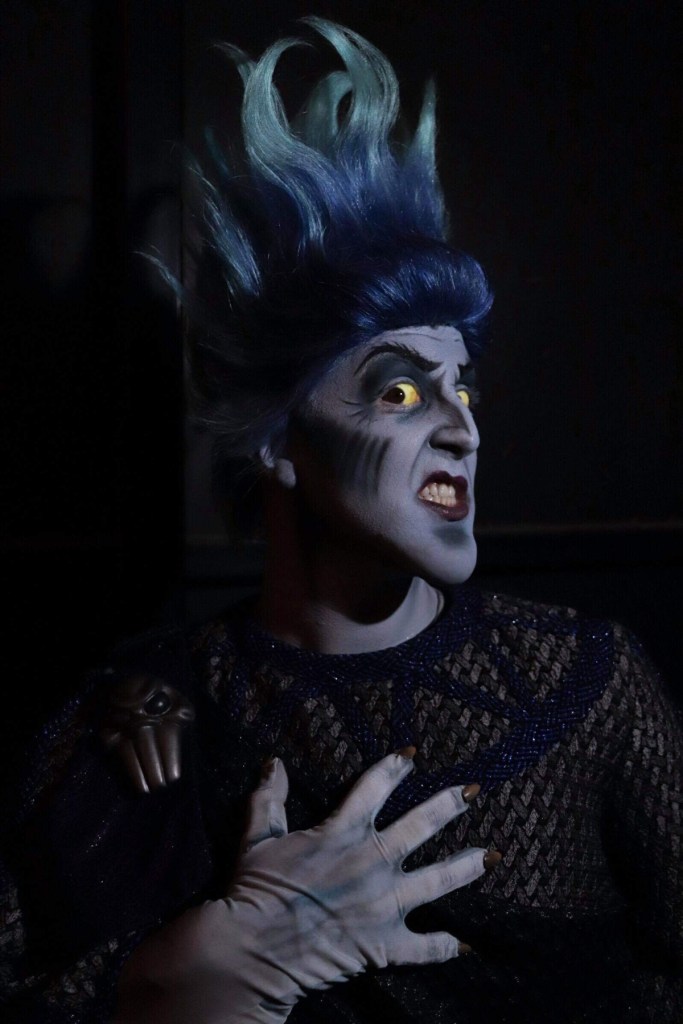
According to former Disney cast members, the divide between fantasy and reality can get surprisingly blurry for some adults who do become deeply attached to park performers. “Adult stalkers are much more common than you would think,” Justin Sanger, a 34-year-old former cast member who portrayed everyone from Hercules’ Hades to Toy Story’s Woody for more than nine years at Disney World in Orlando, Florida, tells Rolling Stone. “Honestly, the female characters are on the receiving end of this far more frequently than I ever was, but there was always someone who took their love for a character very personally.”
He says the role has changed significantly in the past decade, thanks to the internet. “Our job was to bring these characters to life for the guests, and for the most part, people understood that and took it at face value,” he says. “But the addition of social media created a whole new level of access and made people feel more ‘connected’ to a character — or to the person portraying them.”
He recalls seeing situations in which solo guests at the park would spend a significant amount of their free time interacting with the same character, sometimes even seeking out the actor playing them. He said that while most interactions are harmless, some fans go overboard with their devotion.
“There was also something about The Incredibles that seemed to attract a particularly extreme level of attention, including a lot of sexualization. We wore spandex and had fake muscles, but that was the role where I personally experienced some of the most extreme behavior from guests,” Sanger says. “This included people finding us on social media and asking for special meet-and-greets for family and friends. But it also included very bold, face-to-face comments about how our bodies looked in the spandex and even comments about how ‘stretchy’ Mrs. Incredible really was.”
Sanger says the behavior became so frequent that the performers had to take action. “We actually had to ban certain guests — and even fellow cast members who were harassing us — from coming to interact with us at the themed dance party because it became an every-day, all-day type of occurrence.”
However, Sanger notes that he has a soft spot for people who see Disney as an escape from the real world. “I genuinely don’t think there is anything wrong with being a Disney adult,” he said. “But being a Disney adult is not an issue. Stalking and possessiveness are.”
Rob Millerick worked as a character performer at Walt Disney World in Orlando from 2014 to 2018. During his time playing Nick Wilde from Zootopia, he encountered obsessive young parkgoers, who would ultimately play a role in his decision to leave the park.
At the beginning, Millerick says, there was nothing particularly unusual about the attention. “It was very light-hearted. They were just excited to see us,” he tells Rolling Stone. The group, made up of older teenagers and people in their early 20s, began showing up regularly for the parade’s three daily performances, led by one attendee in particular.
But the appearances became increasingly common. “As time went on, it got more and more aggressive and more and more frequent until [he] was showing up every day I was there,” Millerick says, adding that his fellow performers would warn him when they saw the attendee around. “The dancers that were with me started telling each other, ‘Hey, if you see this person, Nick Wilde has to be up on the float because he’s going to try and attack him.’”
The situation continued for months, and Disney eventually became involved. But Millerick says there was a frustrating pattern: “Every single time a manager was there to observe, he did not come,” Millerick says. “And any time the manager wasn’t there, he was there.” A few months later, Millerick quit.
Disney didn’t respond to Rolling Stone’s request for comment on how it trains employees to navigate difficult guest interactions, but from my own experience in the Disney College Program, I know that Disney’s foundational training course, “Traditions,” teaches employees to prioritize four key principles: safety, courtesy, show, and efficiency.
Every role comes with its own additional instructions; what a princess learns is different from what someone working an attraction learns, but the overarching goal is the same: Keep people safe while keeping the magic alive as long as you can do it with a smile.
As for Kulusich, she told Wired that after taking a break, she decided to come back to the park. She wasn’t going to go looking for Peter, but when she saw him, she said he waved. So while there may be problematic Disney adults who let their obsessions spiral, Kulusich insists that what she’s doing is simply an innocent hobby that “makes her happy.”
“It’s that old trope, that musicians want to be comedians, and comedians want to be rock stars,” Robby Hoffman says.
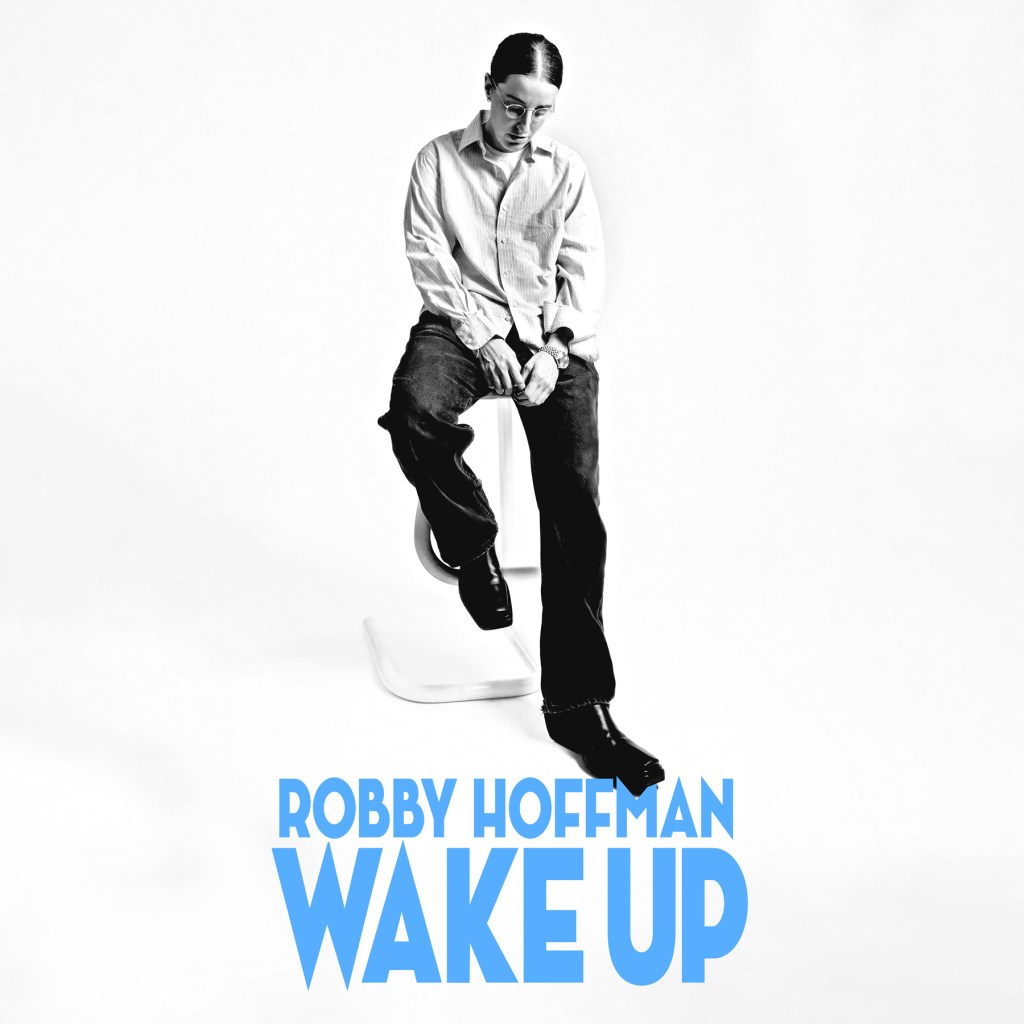
We’re talking about her comedy special, Robby Hoffman: Wake Up, which was produced by John Mulaney and was a breakout hit on Netflix when it aired in December 2025. Today, it also drops as an album from the legendary indie label Secretly Canadian, available in digital format as well as a limited run of signed vinyl. (Find out where to order here.)
For a diminutive Jewish dyke (her word) from Montreal, Hoffman has an ineffable swagger — it’s something in the incongruity of how she looks, paired with her jokes dressing down children, pedophiles, and the Brooklyn straights who use they/them pronouns. “I come out very rock star-like. It’s almost like this old Andrew Dice Clay way of doing comedy. [On tour,] I’m in a lot of historic music venues, and we’re bringing the house down with comedy instead of music. Our fandoms have really collided.”
So it makes sense, then, that Hoffman is releasing her first album. “You always see those pictures of artists signing shit,” she says. “They want me to do that now, so I’m gonna do that. I’ll take a picture.”
Hoffman’s rise to fame has been “slow and steady,” says the comedian, 36. “I know everybody wants to pop off right away. For me, I was always doing this for love or money. This is how I toil.” She started with four-minute stints on Toronto comedy club stages, working her way up to short specials on Netflix. Then came scene-stealing roles in Hacks (which earned her an Outstanding Guest Actress Emmy nomination earlier this year), Dying for Sex, and Rooster, and now she’s selling out venues across the globe. “I’ve been moving from smaller venues to bigger venues,” she says. “I was, for a very long time, ‘If you knew, you knew.’ Now I’m like, ‘You have to know.”
In the press release for the album, Hoffman jokes that putting out a physical album is the only way her mother will finally hear the special. In reality, Hoffman’s interest in comedy records came almost entirely from her. “My mother, who’s a musician and avid record [collector], she probably has 10,000 records,” Hoffman says. When she got started in comedy about a decade ago, her mother started sending her comedy records. Now, the comedian makes sure to hit record stores in the towns where she tours. So far, she’s got about 50, which she shows off via Zoom. “She’s been sending me [George] Carlin and Joan Rivers,” she says, flipping through. “These are a lot of Carlin.” She pauses and makes a little grimace, pulling out another album. “But I have Bill Cosby.”
She launches into a bit about how her mother doesn’t have a conception of “art vs. artist” — “What’s the problem with Cosby?” she says in a perfect Borscht Belt lilt, imitating her mother. “Suddenly, there’s a problem with Cosby?” Her mother, she says, doesn’t pay attention to pop culture enough to know anything about the people who make the art. “She just knows the work,” she says. “It’s actually a great way to live.” It’s classic Hoffman — a little aggressive, a little nervous, a little anachronistic, a throwback to a comedy era where someone with her personal bio very likely would not have been welcomed into the fold. (“I’m somewhere between seven years old and 73,” Hoffman says.)
Hoffman was born in Brooklyn, one of 10 children in an ultraorthodox Jewish community, and raised in Montreal after her Canadian mother extracted the family. “We grew up poor with a lot of records and a lot of books, and that was really it,” she says. “When I got into comedy, she would be like, ‘Oh, you should listen to Lenny Bruce, Jackie Mason,’” Hoffman remembers. “And I used to think those people were hacks. But then I went back. I’m like, ‘These guys are fucking awesome. She’s totally right.’” Now, when Hoffman goes home to visit, the two listen to them together. “She goes, ‘Let me just put it on,’ and we are laughing. We are laughing.”
Though Wake Up has been streaming on Netflix for over six months, it’s this kind of intimate experience she hopes people will get by listening in an audio-only medium. “There’s a tactileness to sound, the cracking of it. It makes it more tangible,” Hoffman says. “You’re looking at the other person you’re listening to it [with]. If you’re listening to a record communally, or in my case with my mother, you’re laughing. You’re looking at her, laughing, watching me, we hear the crackling of the record. It fills the room in a way that contemporary media just hasn’t nailed.”
It didn’t hurt that Secretly Canadian was eager to put out the album, and made the process extremely easy. “We’ve been big fans of Robby’s for a long time and couldn’t pass up the opportunity to work with her,” John Coombs, vice president of A&R at Secretly Group tells Rolling Stone. “She’s a legend in the making.”
Though Hoffman won’t discuss the project she has in the works with HBO, she has plenty going on between spending time with her wife, former Bachelorette Gabby Windey, and an increasingly rigorous tour schedule. At the moment, she’s preparing herself emotionally for an upcoming Australian tour. “This is in February 2027,” she says. “I’m already nervous about it. The flight — it’s too long.” But too-long flight or not, she’s excited that people care enough to want her to come. “You think I want to go to Australia?” she jokes. “No, I’m coming for you.”
Luigi Mangione, pictured in Honolulu in 2023, pleaded guilty last week.
On Friday, Luigi Mangione confessed to stalking and killing United Healthcare CEO Brian Thompson on a Manhattan street in Dec. 2024. Since the shooting, Mangione has become a nationally recognized figure, and for some he is a symbol of violent retaliation against a broken healthcare system. Throughout the swirl of attention on him, though, his friends and family have remained largely silent.
While in Metropolitan Detention Center, a federal jail in Brooklyn known for housing inmates such as Diddy and Sam Bankman-Fried, Mangione has stayed in touch with some friends. Mangione didn’t have any friends or family in federal court Friday, but friends who spoke with Rolling Stone say they were unaware he was planning to submit a guilty plea. His federal trial was set to begin in Jan. 2027, and the state trial was scheduled for next month.
“Friday was deeply emotional,” says R.J. Martin, Mangione’s friend and former landlord in Hawaii, where Mangione lived after college. “Beyond the noise, Luigi is a human being with a circle of longtime friends who know who he is, stay in touch, and care about him deeply.”
Martin believes, “Luigi was declared guilty by our government from the start,” and he adds that would make “a truly fair trial difficult to imagine.”
Other friends of Mangione’s say they were surprised to hear he was pleading guilty as opposed to seeing how at least one of his upcoming trials would play out with a jury. Many expressed their sadness at knowing their friend would likely spend much of his life incarcerated, but declined to comment on the record.
A former friend of Mangione’s who did extracurricular computer programming with Mangione in high school says he found it “really weird” to hear the guilty plea, calling it a “stark shift” from the Mangione he used to know.
“He never struck me as a political person,” says R.K., who asked to use only his initials. “I think it speaks to the radicalization in this country in the current day.”
R.K. says he finds the crime “unacceptable and deeply sad” but says he hopes the guilty plea doesn’t stop the conversation about Americans’ frustration with the healthcare system. “I’ve experienced the difference firsthand as a foreigner living in this country,” says R.K.
When Mangione was first arrested as the shooting suspect in Dec. 2024, the cellphones of his classmates at Gilman, the prestigious high school in Baltimore he attended, started blowing up with students messaging each other. “Did you see the news?” “OMG, Luigi?!” “I can’t believe it.”
“Luigi was in this crew of kids that you knew were going to an Ivy and were going to do groundbreaking science research,” one of his high school classmates told Rolling Stone in 2024, shortly after he was accused of the crime. “But Luigi was the only one [of them] you could shoot the shit with. Once you got him talking, he had all of the kind of suave, cool-guy vibes.”
“Luigi was always chasing perfection, because that was his identity: being smart,” said Mangione’s former high school teacher, who thought Mangione would grow up to work in a science lab or build AI models. His friends in Hawaii remember him as thoughtful, kind, and compassionate.
After Mangione was arrested in Dec. 2024, his family went on lockdown; his parents stopped opening their mail, and his sisters deleted their social media accounts. Friends dropped off baked goods at their home. “We only know what we have read in the media,” the Mangione family said in a statement released Dec. 9, 2024. “Our family is shocked and devastated by Luigi’s arrest. We offer our prayers to the family of Brian Thompson, and we ask people to pray for all involved. We are devastated by this news.”
It is the Mangione family’s only public statement to date.
Over the past year and a half, Mangione has garnered international support from fans and health care activists alike. Since his guilty plea on Friday, his supporters have expressed disappointment, confusion, sadness, and frustration, with many of them saying they wished Mangione had gone to trial in order to draw more awareness to flaws in the American healthcare system.
Mangione pled guilty in federal court to two charges of stalking, which resulted in the death of Thompson, who was in Manhattan for a conference. During his plea, Mangione took a few digs at the health insurance industry while making his longest public comments on the matter.
“After years of enduring severe pain from a broken back, navigating the obstacles of the health insurance system and witnessing similar experiences of countless others,” said Mangione, reading stoically and methodically. “I learned that United Healthcare would be holding its annual investor conference in New York City on Dec. 4, 2024.”
Mangione revealed that in order to get more information about the location of the conference, he emailed UnitedHealthcare leadership posing as an investor at a firm managing more than $50 billion in assets. “Unlike my previous interactions with insurers, I received an immediate response within an hour,” Mangione said in federal court on Friday. As he spoke, Thompson’s family watched from the front row, sitting behind federal prosecutors.
Later, the Thompson family released a statement saying, “While nothing will ease the pain of losing [Thompson], we are grateful that the federal justice system has held the person responsible for this heinous act accountable. Now we look to the court to ensure that sentencing reflects the severity of this crime.”
Mangione’s next state hearing was moved back from Sept. 8 to Dec. 10. His state trial was supposed to begin next month, but his legal team has filed a motion to dismiss the murder case on the grounds of double jeopardy. The state prosecution will respond, and then New York State Supreme Court Judge Gregory Carro is expected to rule on the motion in December.
As far as his federal guilty plea, Judge Margaret Garnett has scheduled a sentencing hearing for Dec. 18.
Canada’s proposed social media ban for children under 16 comes with an obvious question: how exactly do you prove someone's age? That question is at the centre of Bill C-34, introduced by the federal government in June. The legislation would require social media platforms to block users under 16, but it does not put forward a clear way for companies to determine someone’s age.
As other countries have discovered, an age gate is only as effective as the system behind it, and the options currently being considered all involve some combination of inconvenience, privacy concerns and opportunities to cheat.
One approach is facial age estimation, where a user takes a live selfie and has software estimate their age. It does not necessarily require a government ID, but it involves biometric information and can be less accurate for some people. As anyone who got into bars and clubs while still underage knows, a 16-year-old who looks 18 could present a problem.
The second option is to verify age through an existing relationship with a bank, cellphone provider or other company. The advantage is that those organizations may already have reliable information about their customers. The downside, however, is evident: many do not have credit cards, phone contracts or other adult accounts. And with younger and younger children having access to devices bought by their parents, this could easily be circumvented.
Digital ID is a more targeted solution that is being worked on. Instead of handing over a birthdate or identification document, a system could simply confirm that a person is above the required age. The European Union is working on developing a technology designed to work this way. But introducing a government-backed digital ID system in Canada could create its own political and privacy battles.
Australia, which has introduced a similar law in 2025, provides perhaps the clearest warning about what happens after the rules are introduced. Its under-16 restrictions have led to millions of social media accounts being removed or restricted, but authorities reported that a substantial number of children still retained access. Facial age estimation has also shown weaknesses around the age threshold. And kids today are so tech-savvy a teenager could use an older friend’s account, borrow a parent’s credentials or access the internet through a VPN that makes the website believe they are located somewhere the restrictions do not apply.
France has also voted on a similar measure, which was blocked by the Constitutional Council, who judged the law too broad.
France’s experience with online pornography, however, offers useful insight for Canada. Under rules strengthened in 2024, pornographic sites must verify that users are 18 or older, with France’s regulator, Arcom, setting technical requirements for the systems. One model involves a third-party age-verification provider confirming a user’s age without necessarily telling the porn site who that person is. Other approaches can include checking a bank card or using an identity document, although France has pushed for systems that offer stronger privacy protections. The regulator’s framework is built around a principle known as “double anonymity”: the service verifying someone’s age should not know what content they are accessing, while the porn site should not receive unnecessary information about the person’s identity.
The system has already forced changes. After Arcom threatened sites with blocking and other sanctions, all 17 porn sites targeted by a 2025 government order had either introduced age verification or left France. By February 2026, Arcom said 12-to-17-year-olds were spending 35 per cent less time on monitored sites than a year earlier.
By far, the privacy question is the most concerning. Canada’s privacy commissioner has warned that poorly designed age-assurance systems could expose people to data breaches or create new forms of online surveillance. Marc Miller, Canada's Minister of Culture, said there would be "a back and forth with platforms as to what protects people’s privacy." Bill C-34 is still early in the legislative process, and no date has been set for a final vote. If passed, the legislation would still require Senate approval and royal assent before being enforced.
Perez Hilton attending the Not Alone Awards in Las Vegas on Nov. 11, 2025
Perez Hilton is now receiving inpatient medical care after being hospitalized under Florida’s Baker Act following an overdose and an incident in which he livestreamed acts of self-harm on TikTok.
His family shared the news in a new statement on the blogger’s website. “Perez remains hospitalized and is receiving the medical care he needs,” the post read. “His treatment is continuing in an inpatient setting under the care of a dedicated team of medical and mental health professionals.”
The Miami-Dade Sheriff’s Office, which responded to multiple calls regarding an individual who was livestreaming acts of self-harm on social media, initially stated that Hilton was “safely recovered” and transported to a local hospital following the Aug. 4 incident. An incident report stated that a fire rescue team “began treatment on scene for multiple lacerations and an overdose” before the blogger was hospitalized.
On Aug. 9, Hilton’s family provided an update via his official website that said that the blogger was in “serious but stable” condition after “[he] experienced significant blood loss and sustained additional injuries that will require surgery in the coming days.”
According to the police report, Hilton’s sister Barbara Lavandeira said that her brother had been “suicidal” the week prior to the livestream and that he had been taken to get treatment by the family that same week. In an interview with Page Six, she provided more details on Hilton’s state of mind. “He told us that a few days earlier he had felt empty, hopeless and like he was a burden on everyone,” Lavandeira said.
In their most recent update, the blogger’s family also announced that his website, PerezHilton.com, will begin publishing stories once again. “Perez built PerezHilton.com more than 20 years ago, and it has remained one of the most important parts of his life ever since,” the statement reads. “Whether you have followed Perez from the beginning or only recently started reading, we hope you will continue visiting, reading, and sharing the site,” the family wrote, adding, “For now, Perez’s health remains the priority as his team keeps the site active and moving forward.”