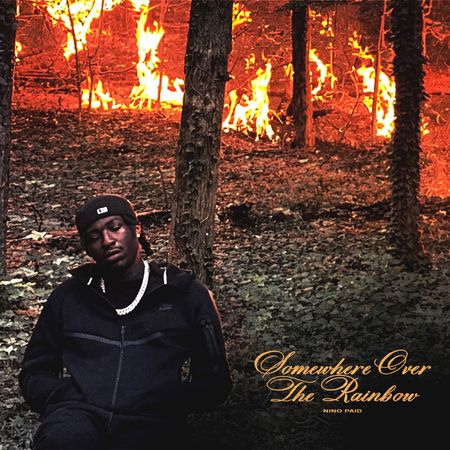
Nino Paid: Somewhere Over the Rainbow
Photo gallery
7 images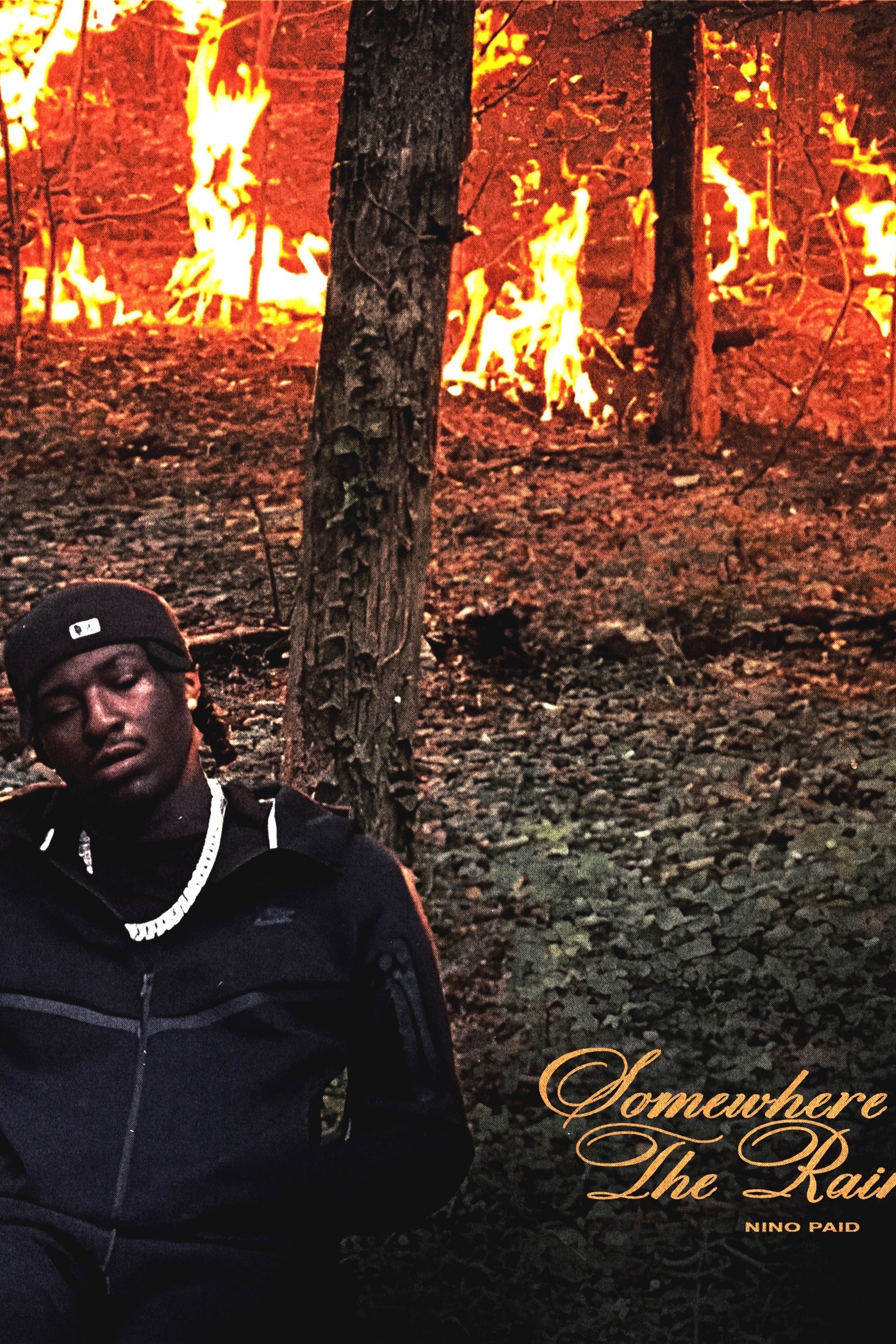
0.0
0.0
Reader Score
No score yet, be the first to add.
0.0
Genre:
Rap
Label:
Signal / Columbia
Release Date:
2026
Missing one Nino Paid bar can feel like talking about the game after only looking at the box score. He raps with a quiet urgency, like he really means that shit. Nearly every word in his short and compact verses has a point. It’s been that way since his 2023 YouTube drops, which seemed like accidentally uploaded therapeutic voice memos, and has continued as his writing has transcended the modern clichés of “pain rap.” I don’t even like to consider Nino Paid “pain rap” because that term—that I tend to throw around loosely when speaking on one-note bawlers like Rod Wave and Toosii—sells him short. This isn’t just song-after-song of life taking a paddle to his ass, but a piece-by-piece narrative of him trying to figure out how to survive and find some sort of bliss as a man who has been through it all.
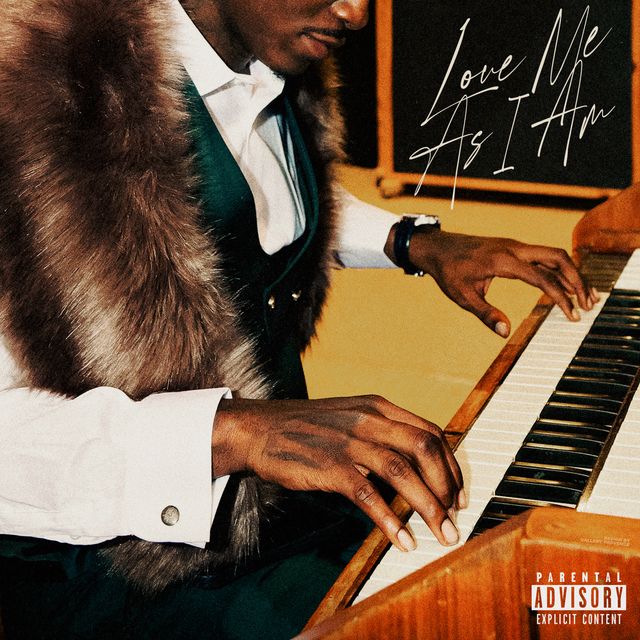
Nino’s sketches become full-on novels as you become more familiar with the characters in his world and intuit the weight of his words. That might be why each of his albums feels like such a step-up from the last. All three of them—2024’s Can’t Go Bacc, 2025’s Love Me As I Am, and now, Somewhere Over the Rainbow—are more or less the same sort of introverted collections of songs about attempting to overcome a lifetime of heartbreak, loss, and depression. But the more you listen to his heavy struggle stories, the more heartfelt and human they become. On Somewhere Over the Rainbow, it hurts when he hurts; it’s fun when he’s having fun. It’s like checking in on a friend you haven’t seen in a minute.
No score yet, be the first to add.
0.0
Give the same exact lyrics to any other rapper and they wouldn’t mean nearly as much. For instance the subdued opening lines to the stripped-down, pedal steel rich “Rewind It” could be “pain rap” copypasta (“I know I said I’m done with all the sad songs/I know I said I gave up on the said shit”) yet I let out a devastated “ah, damn” when I first heard it because it felt like an emotional relapse. I get the gist of how hard it must have been for him to admit, “In the mirror I look like my dad,” over the foggy vocal sample and smudged free car chimes of “Mirror” given all the layers of their relationship: the mention of how hard the death of his pops hit him on 2024’s “Play This At My Funeral” and the heated arguments he since regrets on last year’s “Tomorrow Will Be Better.”
This is a delicate kind of storytelling that has made him an unusual sort of album guy among other mainstream rap stars. There aren’t many Somewhere Over the Rainbow songs that will blow you away individually—possibly the intensity of “Nun But Drums” or the fatalistic sentimentality of the intro—but it’s the totality of taking in this emotional whirlpool all at once.
It helps that his writing is sharper now, able to drop in these casually worded revelations that just fuck you up. “I would go try to invest in an island, with my luck I’ll see a tsunami or something,” he talk-raps over the smooth DMV bounce of “One.” On “2am,” he follows up “They made me feel way less about myself like I was nothing” with a “Nigga, fuck you” that hits like a deep exhale. I have to take off my headphones and do a lap whenever he confesses “Opioids destroyed the best of me, but I still hope they work” on “When You Miss Me Most,” which, in a bit of tonal whiplash, has a hard-ass sickboi and prodbydaee instrumental that pulls off the drill trick of laying every drum possible over an unexpected indie rock sample. It’s uncomfortable listening to rap that talks about drug addiction so straight-up, given all the deaths the genre has been hit with from the disease in the last decade, but there’s a serious honesty he brings to the topic that feels like more than just rapping about emo stuff to fill stadiums.
Nineteen songs of Nino Paid clawing his way toward the light is overwhelming, but all of the musical exploring he does lightens the mood a little. Not all of it works. I’m good on the Buddah Bless-produced fare for the Lyrical Lemonade universe (“Valedictorian”) and the lazy Jaydes-style guitar ballad (“Long As I Got Love For You”). It’s a lot better when he’s positioning himself in the lineage of DMV music. Like “Peace of Mind,” where he tests out a pivot to Wale-assisted brunch rap. Or “Drop,” a trip back in time with Shy Glizzy, who is flexing his kid’s school tuition with an AutoTune preset that hasn’t been used since 2016.
Then, unexpectedly, Nino taps D.C. production archivist Tone P to hook him up with go-go fusions with live instrumentation. For years, go-go—a collision of funk, R&B, and hip-hop that is the region’s percussion-centric pastime—has been the subtle backbone of throbbing DMV free car drum patterns. Nino fully leans into the sound on two tracks: “Step With Me,” which interpolates a classic by UCB, and “Shine,” a legitimately great Nino Paid song that seamlessly mashes up his fragmented vignettes of hard-earned perseverance with bass slides and a killer electric guitar riff. “She took me in and that really mean something/My mother would watch as I play on my bike,” he raps, his vocals cracking like it’s a recording ripped from a club show. It’s a moment that feels euphoric for more than just the Nino Paid close readers but anyone who has been emotionally invested in the rise of DMV rap over the last decade.
0.0
0.0