Ten Years Later, Frank Ocean Still Knows Something We Don’t
Photo gallery
7 images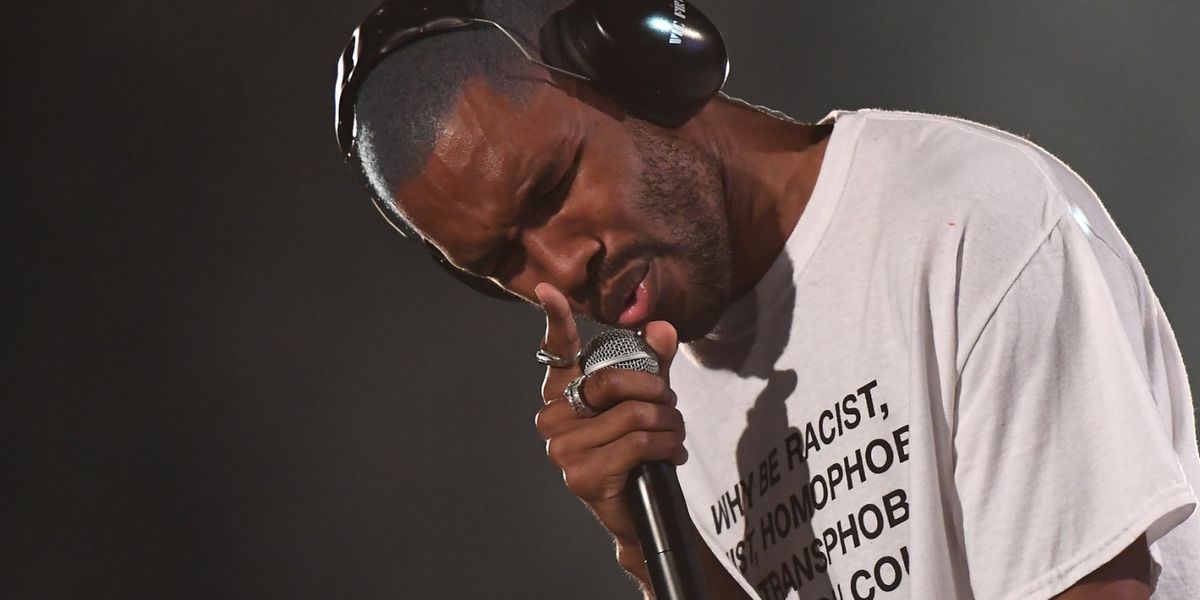
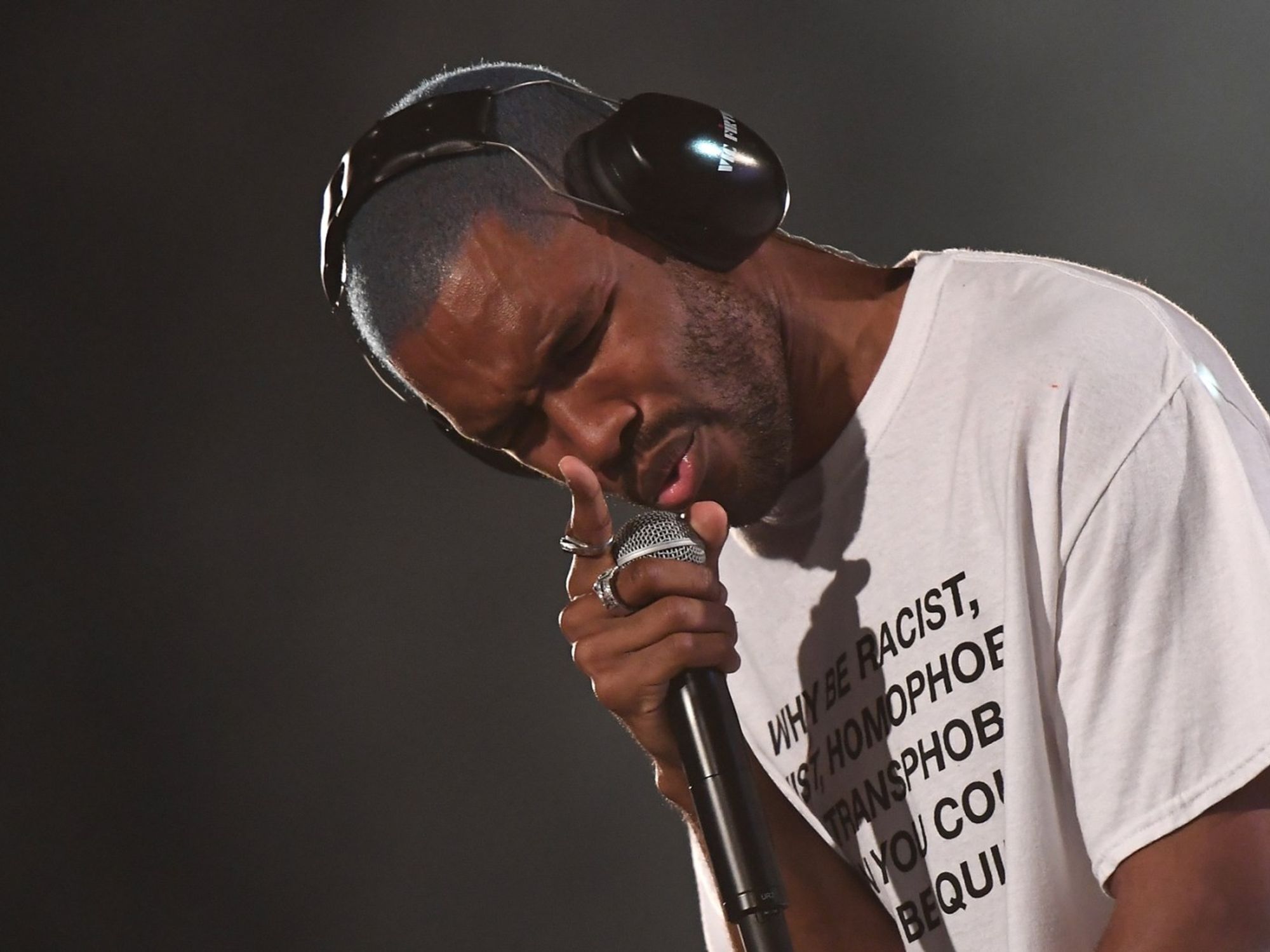
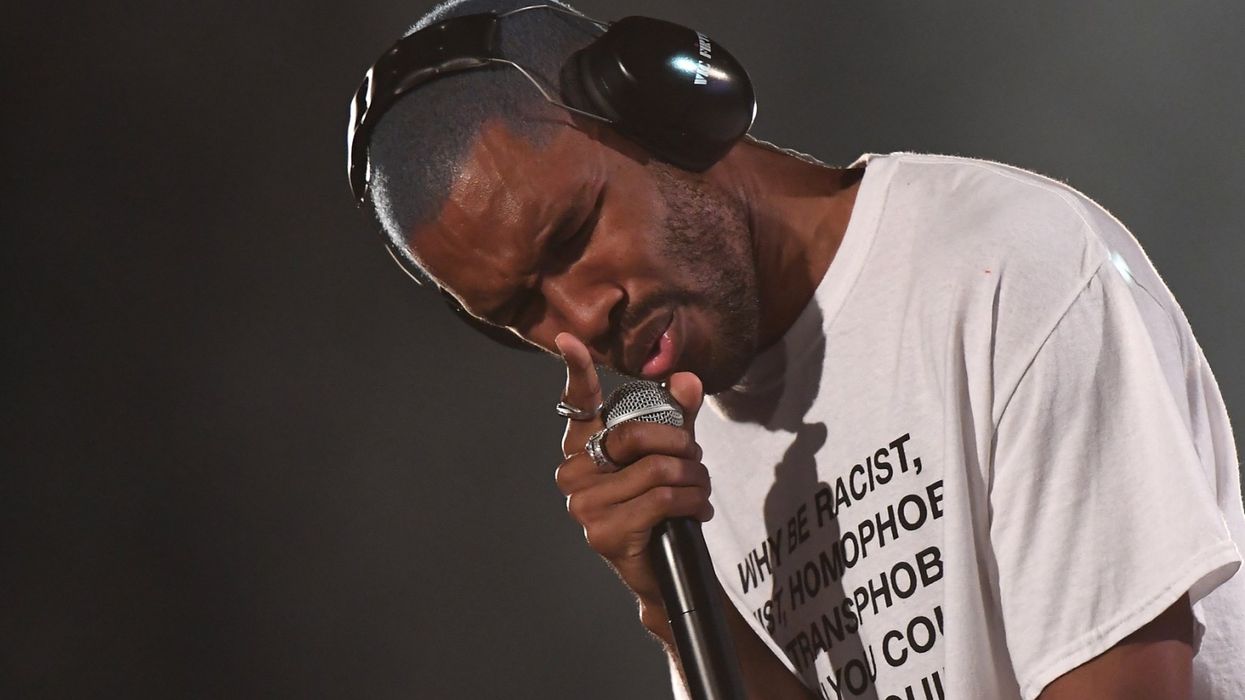

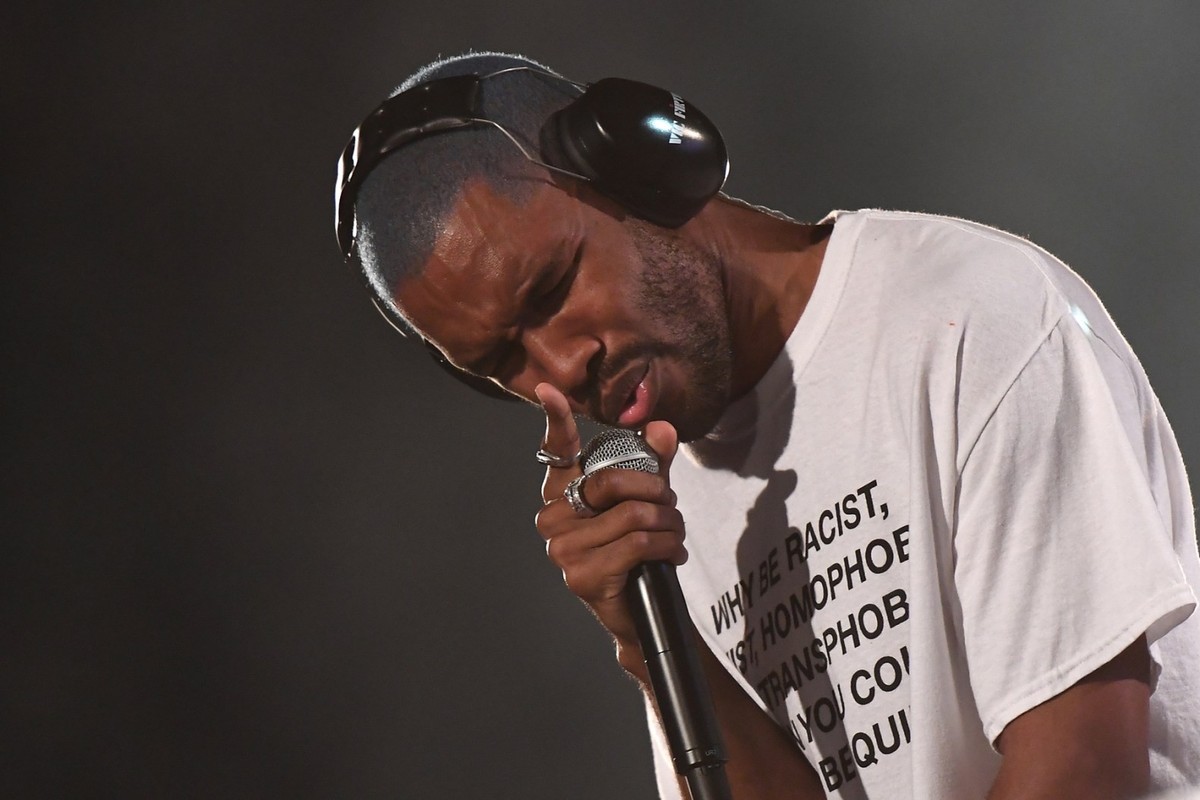
A decade after 'Blonde', the masterpiece remains rooted in a vanished world while gathering new meaning from everyone who has lived alongside it
Ten years ago, during the same week that Frank Ocean released his mixed-media tableau — the short film/album Endless, the rarefied Boys Don’t Cry zine, and his seminal album Blonde — Werner Herzog’s film Lo and Behold, Reveries of the Connected World arrived. In the film, the German documentary filmmaker considers the heady question of what the internet might be doing to us humans. He makes contact with a community whose members swear they’re allergic to Wi-Fi. The film ominously warns of an inevitable solar flare on the scale of the 1859 Carrington Event, one that, once unleashed, would reduce all communications networks, the foundations of so much of our modern world then and even more now, to dust.
And so, on “Seigfried,†Frank explains: “A moment one solar flare would consume, so why not/Spin this flammable paper on the film that’s my life?â€
In the decade since its release, Blonde, like Herzog’s documentary, has come to feel like the final stamp on a discrete moment in history. Released less than three months before Trump’s first election, the album now lives as an artifact of a prehistoric world; yet emotionally, Blonde feels more expansive than any frame of time can contain. That has always, of course, been Ocean’s skill as a writer: his ability to occupy emotion untethered from time or place, instincts and sensations jumbling into one another with chaotic, maybe even euphoric, abandon. On 2012’s Channel Orange, he arranged that gift into scenes populated by taxi drivers, rich kids, dealers, and doomed lovers. Blonde loosens the plot, leaning into the unreliability of memory and the false truths that occupy the gaps between love and certainty.
It’s the way that last “Good!†pierces the second half of “Ivy,†landing closer to the punk instincts that flash elsewhere on the album, in sonic conflict with the song’s shimmering opening turn. Or how, on “Nikes,†Frank trapezes between sonic registers and perspectives, painting a kaleidoscopic view on his own sexuality, all under the banner of the most iconic brand in the world.
Across Blonde, what feel like dispatches from another dimension arrive like warnings from the past and future about the very romance the narrator finds himself sliding into. In one of the handful of interviews he’s given, Ocean described the album’s competing narratives as a “collage or bricolage,†saying that memory has a way of arriving as overlapping images. Each song, too, has its own overlapping instincts. The deceptively mellow “Self Control†manages to mourn a lost love with existential clarity. It features vocals from Slow Hollows’ Austin Feinstein, who sings the devastating “Keep a place for me†refrain before Frank takes us into the stratosphere on a swell of strings arranged by Jon Brion, repeating, “I know you gotta leave,†until his voice splits into a choir.
Even bite-size moments like “Good Guy†contain universes of their own. The interruptions imitate the way an old relationship returns to you with a flash of potent sensation. That construction has kept Blonde from aging in place. The person who heard “Self Control†at 19 and the person returning to it at 29 are effectively hearing two different songs. At first, its plea to remain somewhere in an old lover’s life can feel like the whole tragedy. Later, the more devastating recognition may be how much time has passed since asking.
“Why am I preachin’ to this choir/To this atheist?†he sings on “Close to You,†acknowledging the futility of trying to convince someone who knows the story but no longer believes in it. Like with Channel Orange, Frank is narrating life from 10,000 feet up, able to communicate pain and lust and longing with a kind of precision that, if nothing else, should prove how singular the human spirit truly is. An AI could never create Blonde precisely because of how deeply human an album it is. “This is not my life, it’s just a fond farewell to a friend,†Frank sings on “Seigfried,†before the song effortlessly widens from one failed romance to contain the meaning of existence itself. It’s something that no machine can ever understand.
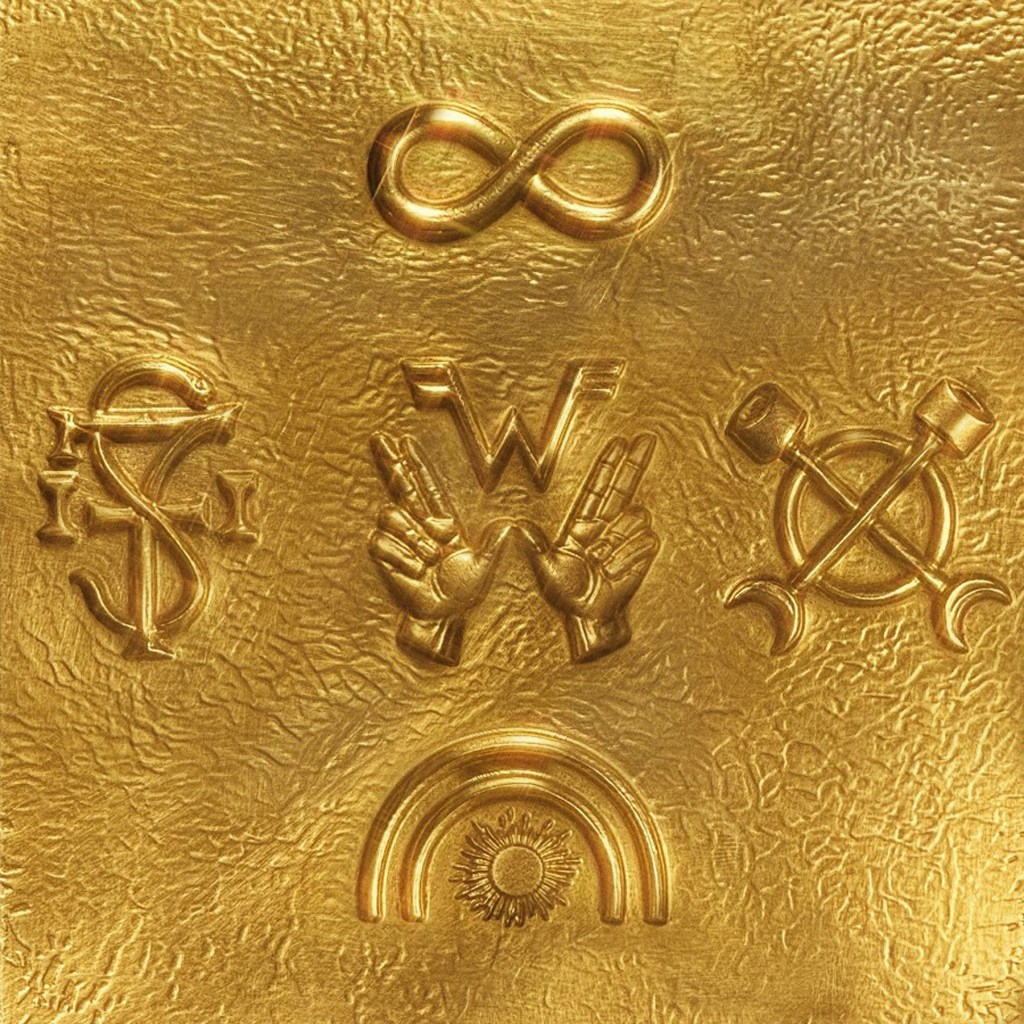
Weezer has always had a thing for concept records, whether they’re imagining “the Beach Boys gone bad†(2017’s Pacific Daydream), doing a set of beloved old radio hits (2019’s The Teal Album), getting in touch with their quasi-sensitive side (2021’s OK Human) or paying tribute to the Eighties metal greats (that same year’s Van Weezer). For their 20th LP, technically self-titled but also known as The Gold Album, the concept is at once highly ironic and gloriously straightforward: a Weezer record that sounds like a classic Weezer record. “There’s something special about your early shit,†Rivers Cuomo intones — simultaneously tongue-in-cheek and heart-on-sleeve — at the opening of “C.E.O.,†a highlight anthem that sounds unmistakably indebted to their own 1994 classic “Undone (The Sweater Song).†The sentiment set the table for a record that often suggests what might’ve happened if the band had released a transitional album in 1995, between their debut 1994 alt-rock smash The Blue Album and their 1996 emo-adjacent masterpiece Pinkerton. Weezer’s Gold is, in fact, Weezer gold.
The band described the organic process behind the album as “less talk, more rock.†You can hear the poker-faced detachment that often defines their music falling away on the album opener, “Say Yes,†which shares a title with a 1997 tune by indie-folk icon Elliott Smith. Cuomo starts off in a malaise of cynical self-doubt. “Everybody here’s gonna make me feel so afraid/So I only think about how my ass is getting paid,†as the rest of the band underscores his uncertainty with a drolly ominous lurch. But the song takes off into a chorus as catchy as great Weezer oldies like “Buddy Holly†or “The Good Life,†with lyrics about turning the ritual of cranking out yet another automatic alt-rock banger into an affirmation of joy.
That freewheeling feeling is all over The Gold Album. Working with producer Kenny Beats (whose credits include Rico Nasty, Vince Staples, and Geese’s Getting Killed), the band sounds more garage-rock-y than usual, often rooting its songs in thick, bottom-heavy guitars that are more desert-rock than power-pop. So when they switch from growling riff to golden chorus on “Don’t Make It Weird†or “Shine Again,†the visceral payoff hits deeper than it would on a more run-of-the-mill Weezer disc. On the feelings-first “We Might as Well Be Strangers,†the guitars burn and wail as Cuomo rhymes “debating Nietzsche†with “how much I need ya,†and shouts it out alongside ace belter Karly Hartzman of Wednesday, one of the bajillionty bands who grew up in Weezer’s long shadow.
Cuomo spends a lot of the album chewing over a middle-aged indecisiveness that mirrors the journey of his fans, adding a drolly poignant tinge to a warmly familiar sound. “Hoops†is an agro complaint that begins “Bought a toaster just to make some toast/First I had to scan a QR code.†Preach, brother. On “Nowhere,†Cuomo proffers the NIMBY protest “Why did they clear the trees just to put up some shitbox condo?†over a churning, fuzzbomb riff, coming up with one of the best Cali-rock combos of his vaunted career: the anti-sprawl spirit of Joni Mitchell’s “Big Yellow Taxi†set to the wide-open sludge of Kyus.
Naturally for a band that’s often made poker-faced self-awareness its emotional safe space, the album’s centerpiece moments are about how tapping their bedrock sound can trigger feelings about rock itself — does it still feel real? Are we just going through the motions? Does that difference even really matter? “C.E.O.†contrasts innocent images of tinkering with his guitar in his teenage bedroom with the honest reality of cranking out the same old Nineties tunes for his corporate paymasters, navigating the tension between his “mad professor†indulgences and the need to “keep the rocket in the sky.†(The everyday fan listening along at home is invited to insert “kids’ college fund†or “401(k)†for “rocket in the sky.â€) He’s not the first guy to make this observation, but the song’s gilded-grunge charm makes the sentiment stick.
The album-closing “The L.A. Sound†is The Gold Album’s nostalgic coup de grace. Written by guitarist Brian Bell, it’s a sweet remembrance of what it’s like to be a baby band grinding out long overnight van drives from crappy club to crappy club, winning over new fans one tiny little show at a time. “We came to melt your face/We’re gonna torch this place,†the band sings over the kind of candied alt-rock chug Weezer blew up with more than 30 years ago. This band has been putting its own sidelong spin on rock rituals since “In the Garage,†back in the Blue days, and they do it with real affection here too. Turns out, after all of these years, Weezer being Weezer is still a good look.
Matt Collyer knows Warped Tour is a festival like no other. For the Planet Smashers frontman, it is part summer camp, part punk rock boot camp, part family reunion, and part survival test. It’s also one of the reasons so many bands from the punk, ska, hardcore, and emo worlds were able to find each other, tour together, and build scenes that reached far beyond their own hometowns.
So as Warped Tour weekend returns, Collyer is going in with the right attitude. Not expecting it to be exactly what it was, but ready to feel that old energy again.
“I’m very excited,†he says. “I mean, it’s not the same Warped Tour. So if we go in thinking that it’s the same Warped Tour as it was 20 years ago when we did it. It changed through those years too.â€
Still, what made Warped special was never really the lineup, but the movement. The feeling of sprinting from one stage to another, catching only 15 minutes of a band before racing off to see someone else. It was discovering your new favorite group by accident, watching heroes and unknowns share the same parking lot, the same heat and chaos.
- YouTube www.youtube.com
The Planet Smashers’ first Warped experience was as DIY as it gets. Collyer remembers playing Québec City in the festival’s early days, before the band fully understood what they were walking into.
“We played on the flatbed of a truck,†he says. “And I was like, ‘This is different’. And then we had to do our own merch, but we didn’t know you were supposed to bring a tent. So we were that band in the sun with just a table, and the sun was just pounding down on us.â€
They had copies of their early releases, one Planet Smashers shirt design, and no real plan. The shirts sold out almost instantly. Then, an icon walked up. “I just remember Tim Armstrong walked up and I’m like, oh my gosh,†Collyer says. “And he stopped and goes, ‘Hey, are you guys that band that does that song ‘Pierce Me’? I’m like, ‘yes. How the fuck do you know?’â€
That, to Collyer, was the magic of Warped Tour. It flattened the hierarchy.
“There was equality throughout the tour, which was really cool,†he says. “Everyone got 30 minutes, no one got more time.â€
Nick Farkas, Senior Vice President of booking and events at evenko, who are co-producers of Warped Tour’s Montréal stop, also remembers his first Warped Tour. Back then, he was a young, DIY booker, having co-founded Greenland Productions in 1993. “It really takes me back to the beginning of my career. It was the first real festival we ever did, and we always had an amazing time,“ remembers Farkas. That first year, the festival was being held at the now-shuttered Blue Bonnets horse racing track. “We had sold 3000 tickets, but about 6000 people showed up without tickets, and we hadn't set up a different line for people without tickets. Security had to sort people and create different lines, we were walking around with change and selling tickets directly in the line.“
“That they chose Montréal over another Canadian or American market tells you how important punk rock is to Montréal,“ says Farkas, who is also behind some of Canada's biggest festivals, including Osheaga and Lasso.
Warped Tour also helped bands build real networks between local bands and international ones. Before social media made every scene feel connected, you had to meet people in person. “You met them at Warped Tour. And you just made friends,†Collyer says. “And suddenly you go, oh, I’ve got a friend in Atlanta now. Oh, I’ve got a friend in Charlotte. Oh, I’ve got a friend in Washington. Now you’ve got a tour.â€
Despite the fun, surviving Warped Tour as a band was not an easy feat. It was hot, exhausting, smelly, and chaotic. The glamour level was low. Collyer remembers vans, RVs, overnight drives, terrifying highway moments, and trying to find a usable shower only to discover that someone had ruined it for everyone. He also remembers losing his voice in Miami because of the heat and the culture of staying up late, yelling, laughing, and hanging out.
Matt Collyer of The Planet Smashers
So what is his advice for surviving the weekend?
First, the obvious one. “Hydrate. You’ve got to stay hydrated,†he says.
He means it. One year, water was hard to come by but energy drinks were everywhere. Their drummer Scott started drinking too much Monster and ended up with a painful inflamed heart sac that bothered him for months.
Second, sunscreen. It might feel basic, but Warped Tour is well-known to be a sunburn factory.
“Obviously, the sunscreen is going to be a lifesaver. I know it’s the end of the summer, but it’s going to get you eventually,†he says.
Third, do not gamble with the bathrooms.
“If you feel you need to go to the washroom, don’t wait,†he says. “Go as fast as you can, they can get pretty nasty very quickly.â€
Fourth, buy merch early. Bands, especially those traveling across the border, can only bring so much. If you wait until the end of the day, your size might be gone. “When it’s gone, it’s gone,†Collyer says.
Most importantly, pace yourself. The urge to see everything is part of the fun, but you need to survive long enough to enjoy it. “If you find a slot where there’s a band that you know, a time when there’s no one you’d want to see, take that moment,†he says. “Take a little nap and then go back and get them.â€
And if you see band members walking around, be cool. That is part of the point. Warped Tour was built on accessibility, community, and Kevin Lyman’s famous attitude that there is “no room for rock stars.â€
Warped Tour returns to Montréal starting tomorrow, featuring The Planet Smashers, Simple Plan, Sublime, and many more.
Ariana Grande on Jan. 11, 2026 in Beverly Hills, California.
A Los Angeles judge has granted Ariana Grande the fast-track subpoena power she says is crucial to identifying hackers who allegedly stole her unreleased music, photos and videos, then sold the material on the “dark web†for “significant sums of money.â€
Los Angeles County Superior Court Judge Mark H. Epstein ruled Wednesday that because Grande currently has no way to identify the alleged hackers, she doesn’t have to comply with a waiting period tied to providing notice to the defendants in her recently filed invasion of privacy lawsuit.
“The 20-day waiting period will never run because plaintiff cannot — even with reasonablediligence — [determine] the defendant’s identity without this discovery, and therefore will never beable to serve defendants,†the judge wrote in his minute order obtained by Rolling Stone.
In her application for expedited discovery, Grande says she needed to accelerate her legal lawsuit, first filed on July 27, because if she doesn’t quickly identify the alleged hackers, “their hacking, theft, dissemination, sales, and publication of [her] content will continue.†She argues that any delay subjects her to “the increased risk that additional content will be stolen or sold, and that the account, subscriber, and login data needed to identify defendants will be lost.â€
In her lawsuit and related court filings, Grande claims the alleged hackers broke into the personal digital accounts and devices of her photographers and producers using stolen login credentials and phishing schemes. She claims they then helped themselves to her private creative output, including unreleased masters, demos, and recording-session footage.
Grande and her lawyers claim that in 2023 alone, 45 unreleased songs she was working on were stolen and leaked. Since her 2011 music debut, hundreds of similar leaks have occurred, causing her “irreparable harm,†her filings allege. Grande alleges the stolen materials have been hosted or published on platforms including Twitter, Instagram, Discord, TikTok, Leaked.CX, YouTube, WeTransfer, Pillowcase, Pixeldrain, WeSendIt, Krakenfiles, and Dropbox.
“Despite an ongoing, multi-year investigation undertaken by plaintiff, including repeated preservation and takedown demands to relevant platforms, and because defendants are actively and sophisticatedly concealing their identity – such as by using multiple, pseudonymous accounts across multiple internet platforms, impersonating domain names, and completing transactions through peer-to-peer payment platforms that do not publicly disclose subscriber or account-holder identity – plaintiff has been unable to determine defendants’ true identities,†her new filing states.
Grande and her lawyers argue she desperately needs immediate discovery subpoena power to obtain the business records needed to identify perpetrators “hiding behind anonymous accounts across various platforms.â€
The case is due back in court on Jan. 25 for a status hearing.
In a February 2024 interview with the Zach Sang Show, Grande addressed the leak of “Fantasize,†explaining that she had written the song for a television show, not for herself. “So ‘Fantasize’ comes out … Crazy,†she said. “Was stolen — thieves, pirates, illegal. I’ll pay you more to put it away, to get it back.â€
The capital has a brand new concert hall, as History Ottawa will open its doors for the first time this Thursday, transforming the venue at Rideau Street and Sussex Drive into a 2,000-capacity destination for live music and special events.
The National Capital Commission acquired the landmark corner property in 2024, later enlisting promoter Live Nation Canada to oversee the two-year refit. The sleek, two-level room shares a brand with Toronto’s History but the Ottawa venue has a style all of its own.
See on Instagram
One of its key features is the configuration of the stage, which ensures patrons are never more than about 30 metres from the performers. “It’s all about being able to see your artist up close and personal, and being able to feel the experience of not only the artist, but also the person next to you,†Ali Shafaee, regional vice-president for Live Nation Canada, told the Ottawa Citizen.
This is an intentional nod to the “up-close†ethos championed by celebrity partner Drake, whose creative team also curated the furnishings for a private, on-site green-room equipped to host A-list entourages. “These venues are where our stories are born, elevated, shared, and hopefully revisited. I will be there to drop off my personal touch to Ottawa soon,†said Drake on Instagram.“In creating this I think about every artist that had to play a venue and ask themselves “is this what making it feels like†because I know we respect all the heritage and all the years of inheritance but hope to create a better experience for our budding artists moving forward.â€
See on Instagram
Opening-night honors belong to American roots-rock favourites The Wallflowers, whose sold-out performance kicks off a calendar that already lists more than 30 shows. Among them: Kaleo, Modest Mouse, Marianas Trench and Toronto cover band Dwayne Gretzky. Around 150 events a year are planned, potentially welcoming some 300,000 visitors into the ByWard Market annually.
In addition to the many other things they have in common, Alex Lifeson and Miley Cyrus have both talked about quitting weed
Rush’s Alex Lifeson spent decades as one of rock’s most brilliantly productive stoners. He always played concerts sober, but half-joked to me in 2015 that he wrote “80 percent†of his oft-labyrinthine parts for Rush’s music with THC assistance. But this year, with a high-pressure reunion tour looming, he finally quit weed, as he revealed in our recent cover story interview, published in collaboration with Rolling Stone Canada. “I started having these negative feelings about my confidence and about what was ahead of us. We were halfway through the process. It’s too late to jump off this ship that’s screaming across the sea. And I thought, this is interfering with the way my brain should be working, and the kind of focus and discipline that all of a sudden I really wanted to have in my life.â€
The Rush legend is far from the first musician to publicly talk about quitting weed in some fashion — though only some of them stuck to it, and one of them was totally making it up.
Willie Nelson (sort of)Nelson said in a November 2019 interview with San Antonio’s KSAT that he was done with smoking weed, 65 years after his first joint. “I have abused my lungs quite a bit in the past,†he said. He canceled tour dates that summer over breathing problems. His publicist soon clarified that Nelson had given up smoking, not cannabis itself: he still used edibles and even vaped.Lukas NelsonWillie’s son, Lukas Nelson, quit more definitively, swearing off weed and alcohol around 2023. “I wouldn’t call it sober completely, because I’ll still do mushrooms,†he said on Rolling Stone’s Nashville Now podcast in 2025. He explained that his dad had no problem with his decision: “My dad respects individuality. He respects being yourself. He and I both now don’t smoke weed. I don’t think it mattered to him either way… When I was smoking I’d smoke six, seven joints a day. I was so into weed.â€
Paul McCartneyIn 2012, 48 years after Bob Dylan introduced the Beatles to marijuana in a New York hotel room, McCartney told me in a cover-story interview that he was finally done smoking weed. “I did a lot, and it was enough,†he said. “I smoked my share. When you’re bringing up a youngster, your sense of responsibility does kick in, if you’re lucky, at some point. Enough’s enough – you just don’t seem to think it’s necessary.†That said, various paparazzi photos, videos, and accounts from other celebrities in the intervening years suggest that maybe, just maybe, the guy who wrote “Got to Get You Into My Life†about weed might have changed his mind.
Snoop Dogg (except not)“After much consideration and conversation with my family, I’ve decided to give up smoke,†Snoop posted in November 2023. It seemed vaguely possible, since he had mentioned in an interview earlier that year that becoming a grandfather made him want to slow down. Soon enough, however, a company that sells smokeless fire pits annoyed the entire Internet by revealing that it had hired Snoop as its “smokesman†and that the whole thing was a stunt.
Miley CyrusCyrus told Billboard in May 2017 that she stopped smoking to make her album Younger Now. “I want to be super clear and sharp,†she said. A month later, in an interview with Jimmy Fallon, she gave a second explanation, detailing a dream where she got too high and died during an SNL monologue. She was smoking again by early 2019, explaining that she got high with her mom. In 2025, though, she told Zane Lowe that she was done with all drugs and alcohol: “Sobriety is really like my god.â€
Justin BieberIn his 2020 docuseries Seasons, he traced a weed habit back to a joint at age 13, and said he’d given it up. “I realized that I had to stop,†he said. “I don’t think it’s bad. It’s just that for me, it can be a dependency.†By 2025, he was posting images that seemed to show him smoking a bong. “Justin is having fun, vibing out and yes, he smokes weed like everyone else,†a source close to Bieber told People that year. “But everything he does is being weaponized against him.â€
SZASZA quit weed in February 2022 and mentioned it on Twitter almost in passing, noting that her dreams had gotten wild. A year later she marked the anniversary, adding “don’t miss it at all. Never thought I’d say that.â€
Neil YoungYoung quit on doctor’s orders in January 2011, framing it to the New York Times as an experiment: “I did it for 40 years. Now I want to see what it’s like to not do it.†In his memoir Waging Heavy Peace, he wrote that he was having trouble writing songs without weed. “The straighter I am, the more alert I am,†he wrote, “the less I know myself and the harder it is to recognize myself. I need a little grounding in something and I am looking for it everywhere.†In 2014, Young told me he had started up again in moderation, adding that it didn’t matter: “â€I’m still high from the Seventies.â€David CrosbyWhen Crosby got clean from drugs in the 1980s, he included weed in his abstinence. “I did 14 and a half years absolutely sober,†he told Cannabis Now. Eventually, he decided cannabis wasn’t part of his problem, and started smoking again. On the eve of his 80th birthday he called himself “just another stoner, man.â€
Kid CudiCudi, who called himself a “lonely stoner†on 2008’s “Day ‘n’ Nite,†first quit weed in 2011. In November 2024, he entered rehab for various substances, telling Billboard that he had been smoking 15 blunts a day: “It truly ruled my life.†He abstained completely for two months, then brought it back, limiting the habit to evenings and weekends. “I’m not smoking nowhere near as much weed as I was smoking before. A joint lasts me all day, damn near. So my relationship has changed with that in a major way. And I’m just more interested in being sober a lot more and being more present.â€